

Animal Attacks in Pennsylvania: When Is the Owner Responsible?
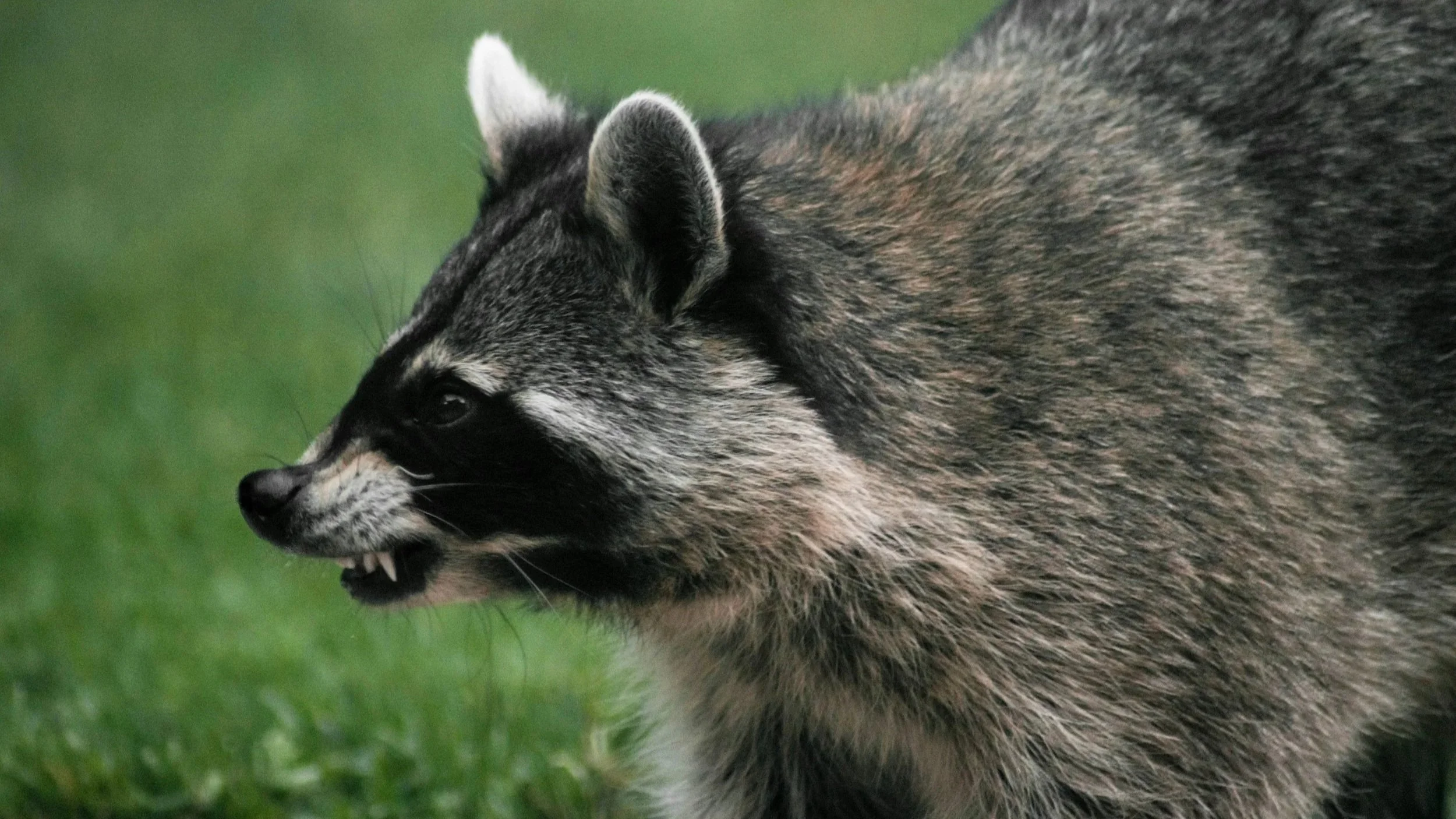
Dog bites get most of the attention, and we cover those on their own page, but people are hurt by other animals too — and the rules shift depending on the animal and the circumstances. Here's how Pennsylvania generally sorts out responsibility for an animal attack.
Dogs: the baseline, in brief
For dog bites specifically, Pennsylvania's dog law generally makes the owner responsible for a victim's medical costs regardless of fault. Recovering beyond medical costs — for pain, suffering, and the rest — usually depends on showing the owner was negligent or knew (or had reason to know) the dog was dangerous. Our dog-bite page covers this in full; the rest of this page is about everything that isn't a dog.
Other domestic animals (cats, horses, livestock)
For attacks by other domestic animals, Pennsylvania generally looks at what the owner knew. If the owner knew, or had reason to know, that the animal had a dangerous tendency — a horse that kicks, a cat known to scratch aggressively, livestock that has charged before — and failed to take reasonable precautions, the owner can be responsible. An owner who was otherwise careless (an unsecured gate, an animal loose where it shouldn't be) may also be liable on ordinary negligence principles.
Wild or exotic animals
People who keep wild or exotic animals — the kind not normally domesticated — are generally held to a much higher standard, because the law treats keeping such an animal as inherently risky. If you're injured by an exotic animal someone chose to keep, the owner's responsibility is often far harder to escape than with an ordinary pet. Keeping certain wild animals can also violate state regulations, which can matter to a claim.
Can someone other than the owner be responsible?
Sometimes. A landlord who knew a tenant kept a dangerous animal and had the ability to do something about it may share responsibility in some circumstances. A property owner or business where the attack happened could face a premises-liability question. And if someone other than the owner was handling or responsible for the animal, they may be in the picture too. Who's responsible isn't always just the person holding the leash.
What should I do after an animal attack?
1. Get medical care — animal injuries carry serious infection risk, and puncture wounds are often worse than they look. Ask about rabies and tetanus.
2. Identify the animal and its owner, and learn its vaccination history if you can.
3. Report the attack to the local authorities or animal control, which also creates an official record.
4. Photograph your injuries and where it happened, and get witness names.
5. If a child was attacked, take it seriously even if the injury looks minor — and note that the filing deadline for a child's own claim is generally paused until adulthood.
Is there a deadline?
Yes — the general two-year injury deadline applies in Pennsylvania, with the usual wrinkles: claims involving a government setting or a public agency's animal can carry shorter notice requirements, and a minor's own claim is generally tolled until they turn 18. As always, sooner is safer while the animal's history and witnesses can still be tracked down.
Talk it through with someone local. If you have questions about your own situation, the attorneys at Joyce, Carmody & Moran can review what happened and explain your options — no cost for the first conversation, and no obligation. We are based in Pittston and handle injury matters throughout Luzerne County.
Let’s Work Together
When you work with us, you can expect clear communication, thoughtful strategy, and a team that is fully invested in your goals. We take the time to understand your needs, tailor our approach, and stand with you through every step of the legal process. Let’s move forward — together.