

Slip and Fall on Ice or Snow in Pennsylvania: The “Hills and Ridges” Rule
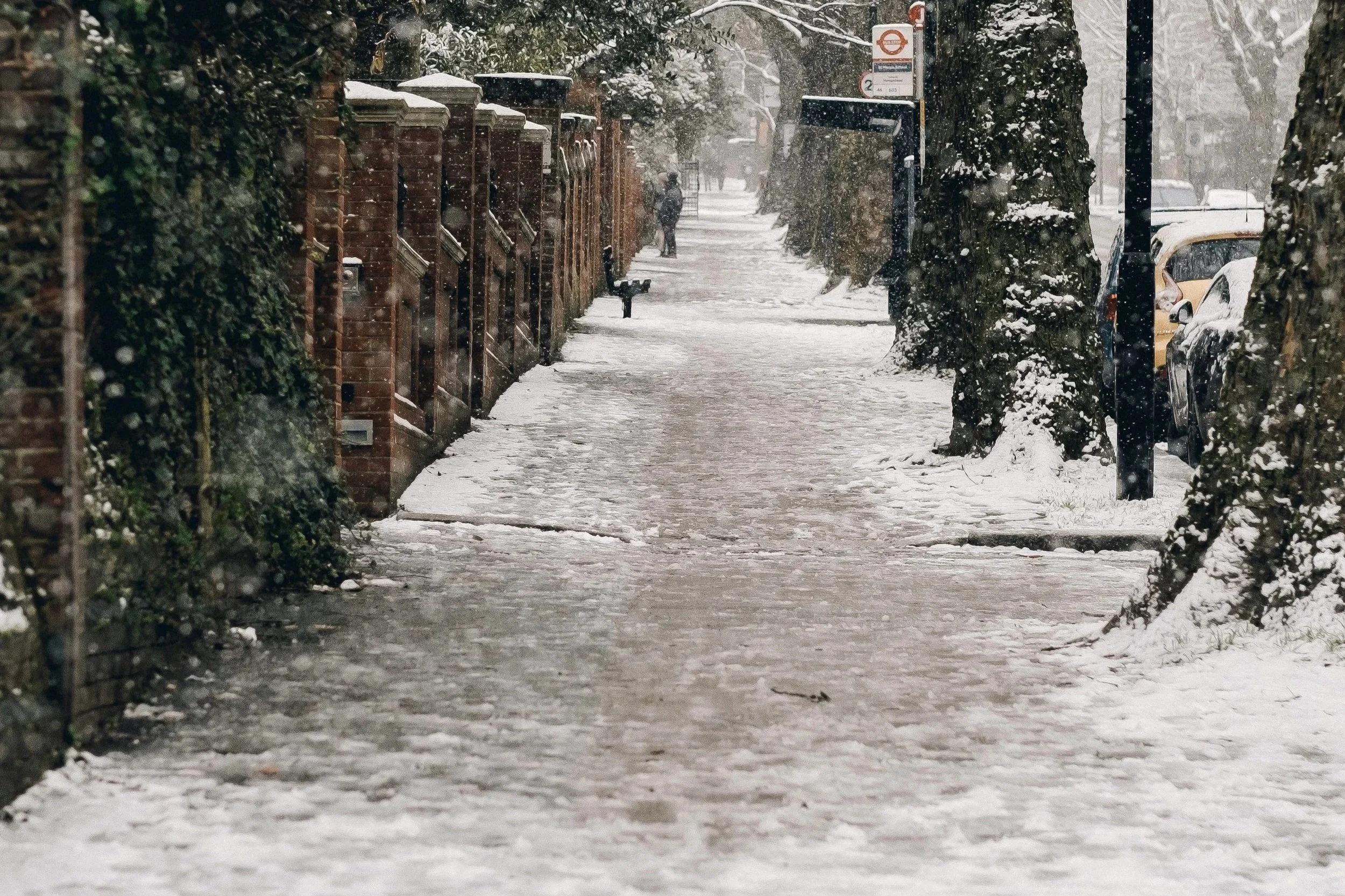
In Northeastern Pennsylvania, winter falls are some of the most common injuries there are — and some of the most misunderstood. Falling on ice is treated differently under Pennsylvania law than other slip-and-falls, because of a doctrine called “halls and ridges.” Knowing how it works tells you whether you may have a claim.
What is the “halls and ridges” rule?
Pennsylvania law recognizes that during winter, some snow and ice is unavoidable, and property owners can't be expected to keep every surface perfectly clear at every moment of a storm. The hills and ridges doctrine protects owners from liability for the kind of generally slippery conditions that come with winter weather — but only up to a point.
Under the doctrine, when conditions are generally icy, an injured person typically has to show that snow or ice had been allowed to accumulate in ridges or elevations that unreasonably obstructed travel, that the owner knew or should have known about that accumulation, and that this dangerous condition caused the fall. A thin, even coating during an active storm usually isn't enough on its own.
When does the rule NOT protect the owner?
This is the important part, because several common situations fall outside the doctrine — meaning an ordinary premises-liability standard can apply instead:
• Artificial or man-made ice. If the ice came from a specific source the owner created or failed to fix — a broken downspout, a leaking gutter, poor drainage that channels water across a walkway — the hills-and-ridges shield generally doesn't apply.
• An isolated patch, not generally icy conditions. The doctrine is about generally slippery winter conditions. A single hidden patch of ice when the rest of the area is clear may be treated as an ordinary hazard.
• Conditions after the weather has cleared. Once a reasonable time has passed after a storm, an owner's failure to clear a known dangerous accumulation can look different from mid-storm slipperiness.
What should I do if I fall on ice?
1. Photograph the ice immediately — its thickness, ridges, and the surrounding area — because it can melt or be cleared within the hour, taking the evidence with it.
2. Note the weather and timing: was it actively snowing, or had the storm ended hours or days earlier?
3. Look for a source. A downspout, a hose, a graded slope, or runoff that points to man-made ice can be the difference in a claim.
4. Report the fall and get the names of any witnesses, then get medical care.
So can I bring a claim for a fall on ice or not?
Sometimes — it genuinely depends on the facts, more so than most other falls. The presence of ice alone doesn't decide it; what matters is where the ice came from, how long it was there, what the conditions were, and whether the owner did what was reasonable. Because the doctrine is technical and the evidence disappears so fast, an ice fall is one of the situations where it's worth having someone look at the details promptly rather than assuming either way.
Talk it through with someone local. If you have questions about your own situation, the attorneys at Joyce, Carmody & Moran can review what happened and explain your options — no cost for the first conversation, and no obligation. We are based in Pittston and handle injury matters throughout Luzerne County.

Let’s Work Together
When you work with us, you can expect clear communication, thoughtful strategy, and a team that is fully invested in your goals. We take the time to understand your needs, tailor our approach, and stand with you through every step of the legal process. Let’s move forward — together.