

Injured on a Construction Site in Pennsylvania: Workers' Comp and Third-Party Claims
A Complete Guide
Why are construction injuries different?
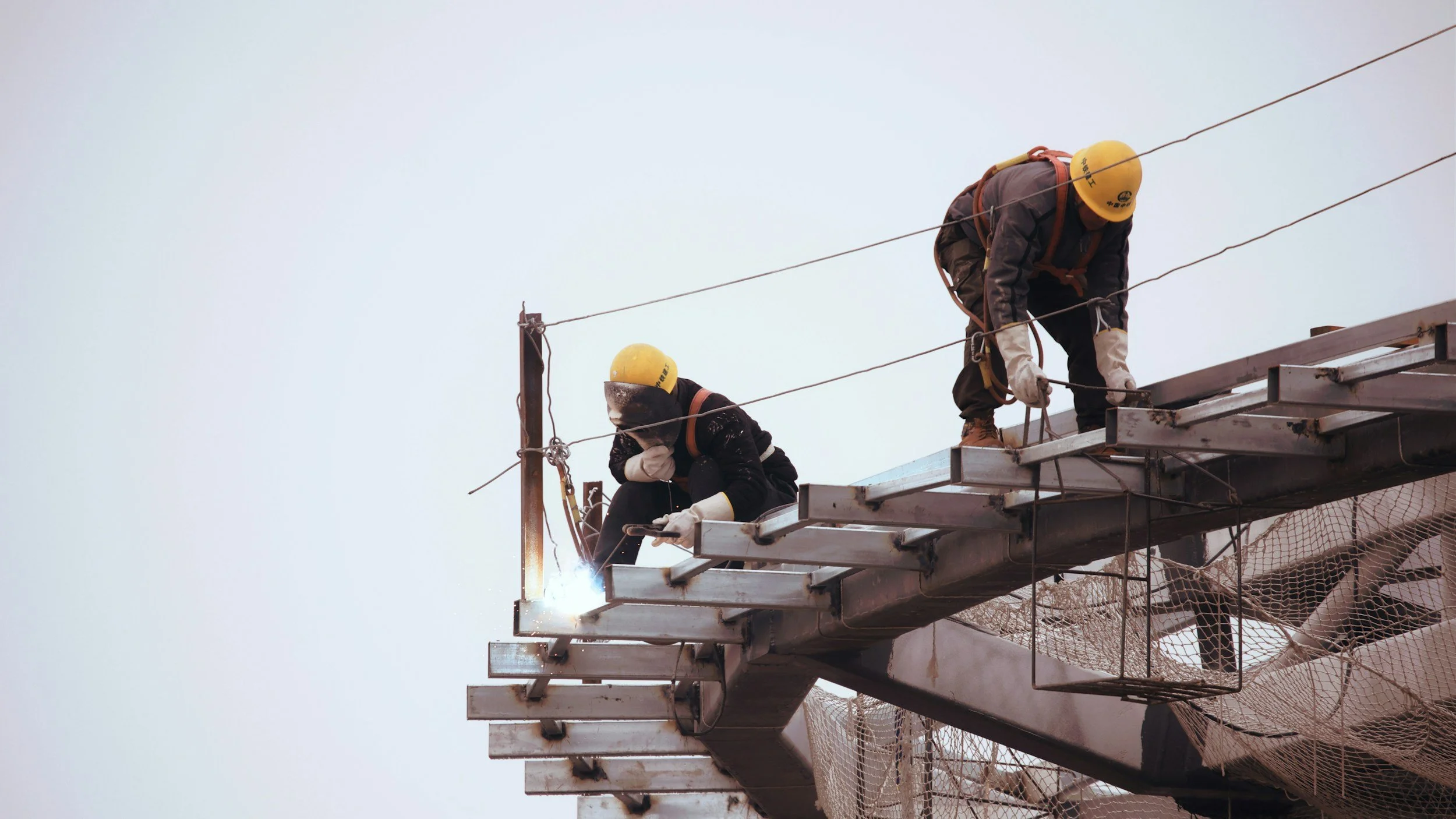
Construction sites are some of the most dangerous workplaces in Pennsylvania, and they are also some of the most crowded. On a typical job there may be a property owner, a general contractor, several subcontractors, equipment rental companies, and engineers or site managers — all working in the same space. That matters, because when several companies share control of a site, more than one of them may be responsible when someone gets hurt.
What are the most common construction injuries?
Falls from ladders, scaffolds, roofs and unprotected edges are the leading cause of serious construction injuries. Others include being struck by falling materials or moving equipment, trench collapses, electrical contact, being caught in or between machinery, and crane or lift failures. These injuries often involve fractures, spinal injuries, head trauma, and long recoveries.
Does workers' compensation cover me?
If you are an employee, workers' compensation generally pays your medical treatment and partial wage loss while you are unable to work, regardless of who was at fault. It does not pay for pain and suffering or the full value of what you have lost. For a serious construction injury, that gap can be significant. Learn more about workers' comp vs. a third-party claim.
Who else might be responsible?
You generally cannot sue your own employer, but a separate claim may be possible against another company whose negligence contributed to the injury. Depending on the facts, that could include another subcontractor whose crew created the hazard, a property owner who controlled the area, a company that supplied or maintained a scaffold, lift or crane, or the manufacturer of defective equipment.
One important wrinkle: in some situations, Pennsylvania law treats a general contractor as a "statutory employer" of a subcontractor's workers, which can shield it from a lawsuit. Whether that applies depends on how the job was structured, and it is one of the first things that should be looked at.
Do OSHA rules matter in an injury claim?
They can. OSHA standards set minimum requirements for fall protection, scaffolding, trenching and equipment. A violation does not automatically decide a case, but it can be strong evidence of what a company should have done. If OSHA investigated the incident, its file may contain photos, witness statements and citations.
What should I do after a construction site injury?
Report the injury to your employer in writing as soon as possible. Get medical care and tell the provider exactly how it happened. Write down the names of the companies working on site that day and anyone who saw the incident. If you can, photograph the area, the equipment and any missing guardrails or protection before things are changed. Construction sites change daily, so evidence disappears quickly. See how to report a work injury in Pennsylvania.
How long do I have?
Workers' compensation has its own notice rules measured in days. A third-party injury claim is generally subject to Pennsylvania's two-year statute of limitations. Because construction cases often involve several companies and their insurers, starting early makes a real difference.
Talk it through with someone local. If you have questions about your own situation, the attorneys at Joyce, Carmody & Moran can review what happened and explain your options — no cost for the first conversation, and no obligation. We are based in Pittston and handle injury matters throughout Luzerne County and Northeastern Pennsylvania.
Related: Injured by Defective Equipment at Work in Pennsylvania

Let’s Work Together
When you work with us, you can expect clear communication, thoughtful strategy, and a team that is fully invested in your goals. We take the time to understand your needs, tailor our approach, and stand with you through every step of the legal process. Let’s move forward — together.