

Hit by a Delivery Truck or Van: Amazon, UPS, FedEx and the Post Office — Who’s Responsible?
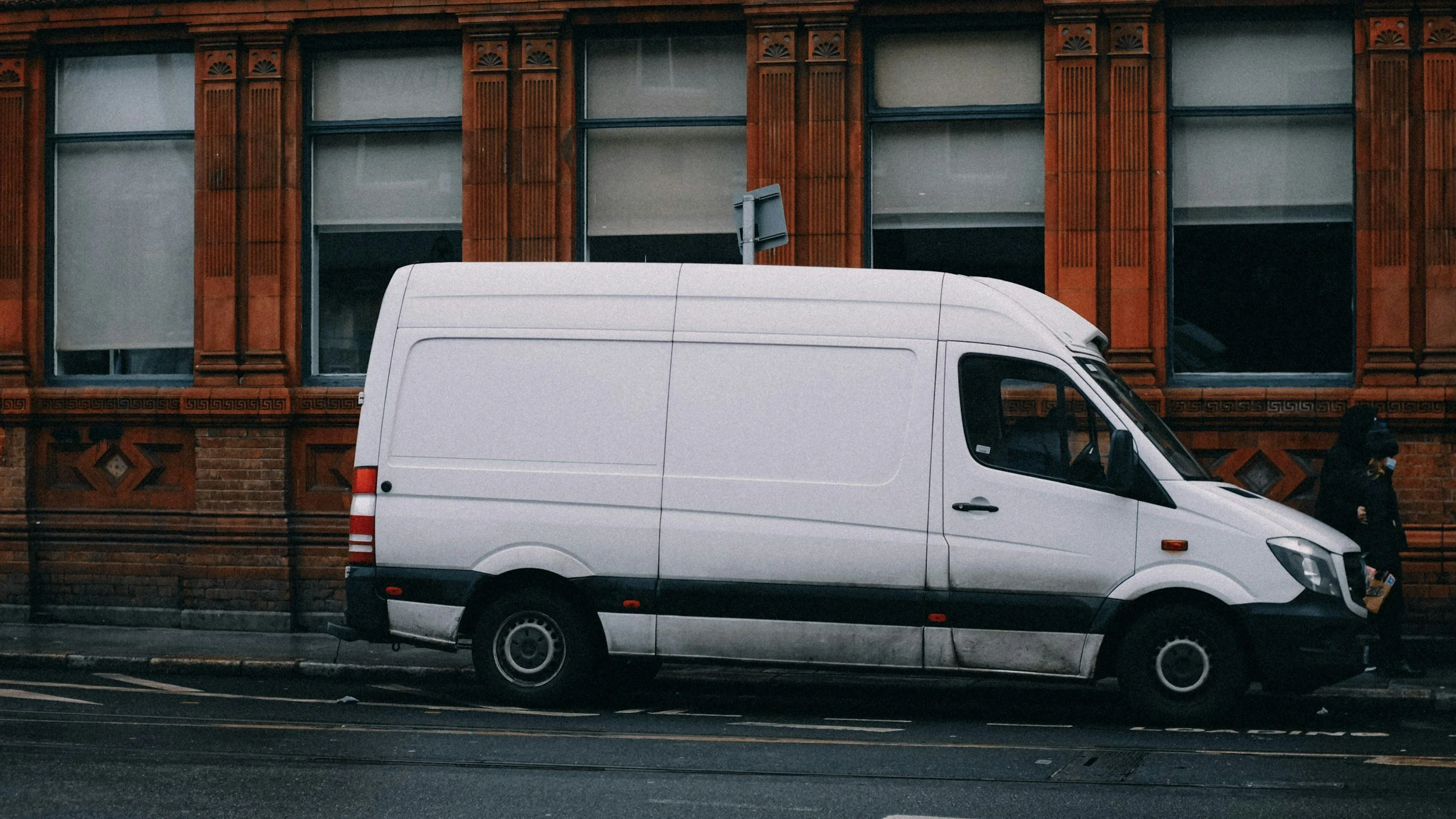
From November through the holidays, delivery vans are on every residential street in Luzerne County, making dozens of stops an hour on tight deadlines. When one causes a crash, the first question isn't just who was at fault — it's who the driver actually works for. The answer changes whose insurance pays, and in one case it changes the entire process and deadline.
Why the employer matters
When an employee causes a crash while working, the employer is generally responsible for it. But many delivery drivers are not employed by the company whose name is on the package. They work for contractors, or drive their own cars through an app. Each arrangement comes with different insurance. (For crashes involving tractor-trailers and other large commercial trucks, see Truck Accidents in Pennsylvania.)
Amazon delivery vans
Most blue Amazon-branded vans are operated by independent Delivery Service Partner companies, which employ the drivers and carry commercial insurance. A claim usually runs first through that company's insurer, and whether Amazon itself shares responsibility depends on the facts.
Amazon Flex drivers are different: they deliver in their own personal vehicles. Personal auto policies often exclude commercial delivery use, so coverage can depend on the driver's policy, any commercial coverage in place while they were working, and your own UM/UIM coverage.
UPS and FedEx
UPS package-car drivers are generally company employees, so claims typically go to UPS and its insurance. FedEx Ground and Home Delivery routes are commonly run by independent contractor companies that employ the drivers, so the contractor's insurer is usually the starting point. Branding on the truck is not proof of who employs the driver — the crash report and the driver's paperwork are.
Mail trucks: a different process and a hard deadline
A crash with a U.S. Postal Service vehicle is a claim against the federal government, governed by the Federal Tort Claims Act. Pennsylvania's normal rules for injury lawsuits don't apply the same way (see Hit by a Government Vehicle for how claims against public vehicles work):
You must first file an administrative claim — Standard Form 95 — with the Postal Service within two years.
The claim must state a specific dollar amount. What you list can limit what you can later recover.
The Postal Service then has six months to respond. You generally can't sue until it denies the claim or six months pass.
Punitive damages are not available, and a case that goes to court is decided by a federal judge rather than a jury.
A mistake on the form or a missed filing can end the claim. If a mail truck was involved, treat the paperwork as seriously as the injury. For deadlines on other kinds of claims, see How Long Do You Have to File an Injury Claim in Pennsylvania?
What to do at the scene
Photograph the vehicle, any company name and number on it, and the driver's ID or badge if shown.
Get the driver's name, employer and insurance — ask directly who they work for.
Call police so there is a report that records the vehicle's owner.
Look for doorbell and business cameras on the street; residential delivery routes are often well covered.
Expect a call from the delivery company's insurer soon after. Before you give a statement, read Talking to the Insurance Adjuster.
Talk it through with someone local. If you have questions about your own situation, the attorneys at Joyce, Carmody & Moran can review what happened and explain your options — no cost for the first conversation, and no obligation. We are based in Pittston and handle injury matters throughout Luzerne County.
Let’s Work Together
When you work with us, you can expect clear communication, thoughtful strategy, and a team that is fully invested in your goals. We take the time to understand your needs, tailor our approach, and stand with you through every step of the legal process. Let’s move forward — together.