

Hunting and Tree Stand Accidents in Pennsylvania:
Who Is Responsible When a Hunt Goes Wrong
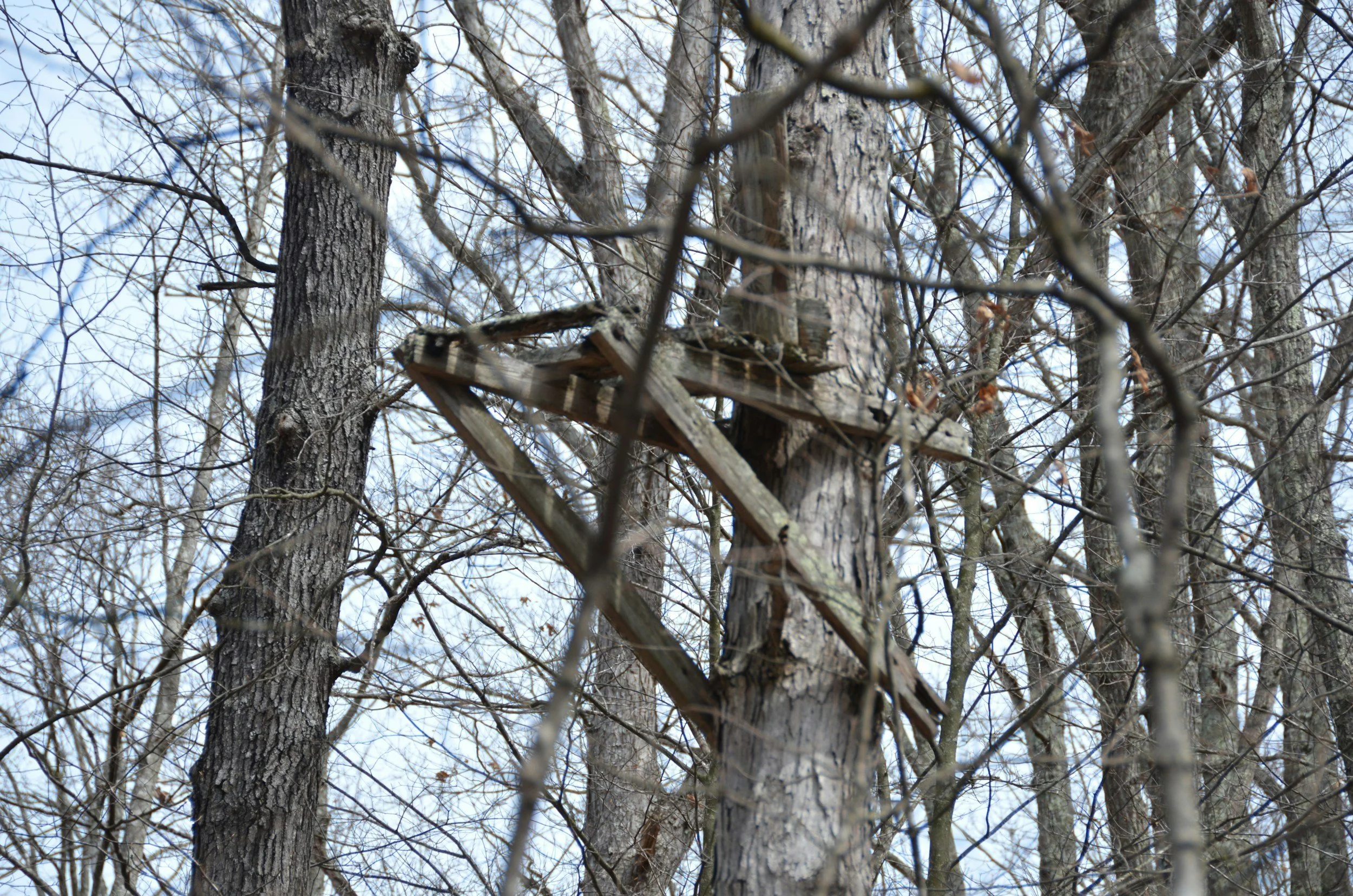
Hunting is a way of life in Luzerne and Lackawanna counties, and the opening of rifle deer season the Saturday after Thanksgiving puts thousands of hunters in the woods at once. Most hunts end safely. When they don't, the most common serious injuries come from two sources: falls from tree stands and shooting incidents. Here is how responsibility usually works in Pennsylvania.
Shot or injured by another hunter
A hunter who carelessly fires at a sound or movement, fails to identify a target, or shoots across a property line can be held responsible for the injuries that result, just like any other negligent person. Hunting-related shooting incidents are typically investigated by the Pennsylvania Game Commission, and those findings can be important evidence. Depending on the policy, the at-fault hunter's homeowner's or personal liability insurance may cover the claim even when the incident happened away from home.
Tree stand falls and defective equipment
Many tree stand injuries — spinal cord injuries, broken bones, head injuries — are caused by equipment that fails: a strap that snaps, a ladder stand that collapses, a platform weld that breaks, or a safety harness that doesn't hold. When a product fails because of a design or manufacturing defect, or without adequate warnings, the manufacturer and sellers may be responsible under Pennsylvania product liability law. Tree stands and harnesses are recalled from time to time, so the make and model matter.
Keep the equipment. Do not throw away, repair or return a stand, strap or harness after a fall. It is often the single most important piece of evidence in the case.
Hurt on someone else's land
Pennsylvania's Recreation Use of Land and Water Act generally protects landowners who open their land to the public for hunting and other recreation free of charge. But that protection has limits. It typically does not apply when the landowner charges a fee for access, or when the landowner willfully or maliciously fails to guard or warn against a dangerous condition. Hunting leases, private clubs and paid guided hunts can change the analysis, and waivers do not always cover everything.
Who else might be responsible?
Depending on the facts, responsibility can extend to outfitters and guides, hunting clubs that maintain stands for members, people who set up or maintained a stand improperly, and anyone who handed a firearm to someone they knew was careless or impaired.
What should I do after a hunting accident?
1. Get medical help immediately and call 911 if needed.
2. Make sure the incident is reported to the Game Commission or police.
3. Preserve the stand, straps, harness, firearm and any other equipment involved.
4. Photograph the scene, the stand and your injuries, and get the names of everyone present.
5. Don't sign anything or give a recorded statement to an insurance company before getting advice.
For safety tips before you head out, see our blog post on tree stands, hunting accidents and who's responsible.
Talk it through with someone local. If you or someone in your family was hurt while hunting, the attorneys at Joyce, Carmody & Moran can review what happened and explain your options — no cost for the first conversation, and no obligation. We are based in Pittston and handle injury matters throughout Luzerne and Lackawanna counties.
Let’s Work Together
When you work with us, you can expect clear communication, thoughtful strategy, and a team that is fully invested in your goals. We take the time to understand your needs, tailor our approach, and stand with you through every step of the legal process. Let’s move forward — together.