

Rear-End Collisions in Pennsylvania:
Who’s At Fault?
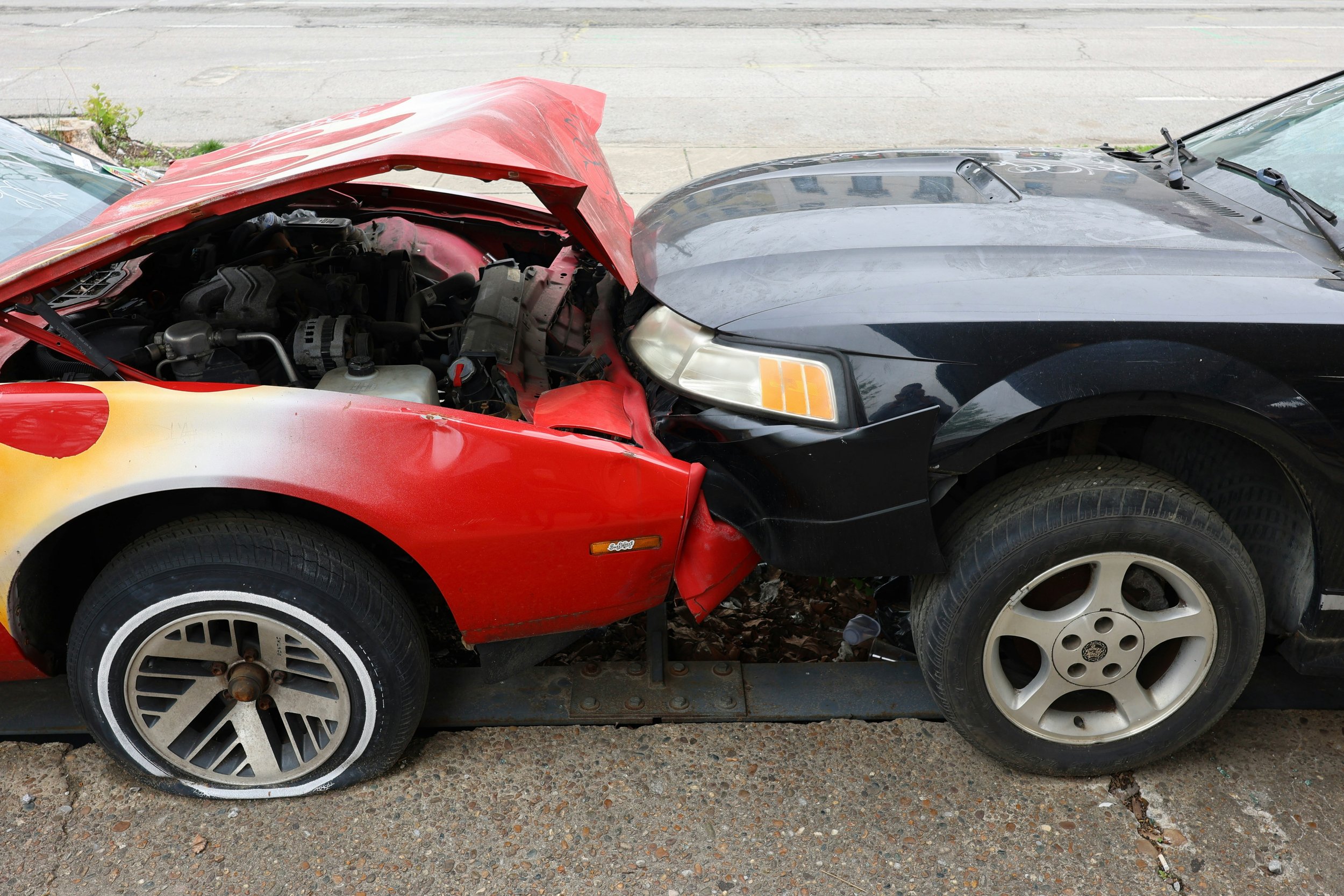
Rear-end crashes are among the most common — and among the most misunderstood when it comes to fault. “The car behind is always at fault” is close to the truth, but not the whole truth. Here's how it actually works in Pennsylvania.
Why the rear driver is usually presumed at fault
Drivers are expected to leave enough room to stop safely — to keep an “assured clear distance” and not follow too closely. When someone rear-ends the car ahead, that expectation is why the following driver usually starts out presumed responsible: they're the one who's supposed to have left room to react. In most straightforward rear-end crashes, that presumption holds.
When the rear driver may NOT be at fault (or not fully)
The presumption can be rebutted. Situations that can shift or share fault include:
• The lead driver stopped suddenly and unnecessarily, or was reversing.
• The lead vehicle's brake lights weren't working, removing the warning the following driver needed.
• The lead driver cut in abruptly, leaving no safe distance.
• A multi-car chain reaction, where a third vehicle pushed one car into another.
• A road hazard or a third party's actions that a following driver couldn't reasonably avoid.
How does Pennsylvania's comparative fault apply?
Fault isn't always all-or-nothing. Under Pennsylvania's comparative-negligence rule, responsibility can be split — say 80/20 — with each driver's recovery reduced by their share, and barred entirely for anyone found more than 50% at fault. So a lead driver with a broken brake light might bear part of the blame without the rear driver being off the hook.
What should I do after being rear-ended?
• Get medical care — rear-end impacts are the classic source of whiplash and neck and back injuries that surface a day or two later.
• Photograph both vehicles, the damage, and the scene; note whether brake lights and signals were working.
• Get the police report and witness information.
• Be cautious giving the other driver's insurer a recorded statement before you understand your injuries.
Talk it through with someone local. If you have questions about your own situation, the attorneys at Joyce, Carmody & Moran can review what happened and explain your options — no cost for the first conversation, and no obligation. We are based in Pittston and handle injury matters throughout Luzerne County.

Let’s Work Together
When you work with us, you can expect clear communication, thoughtful strategy, and a team that is fully invested in your goals. We take the time to understand your needs, tailor our approach, and stand with you through every step of the legal process. Let’s move forward — together.