

Sideswipe and Lane-Change Accidents in Pennsylvania: Who Is at Fault?
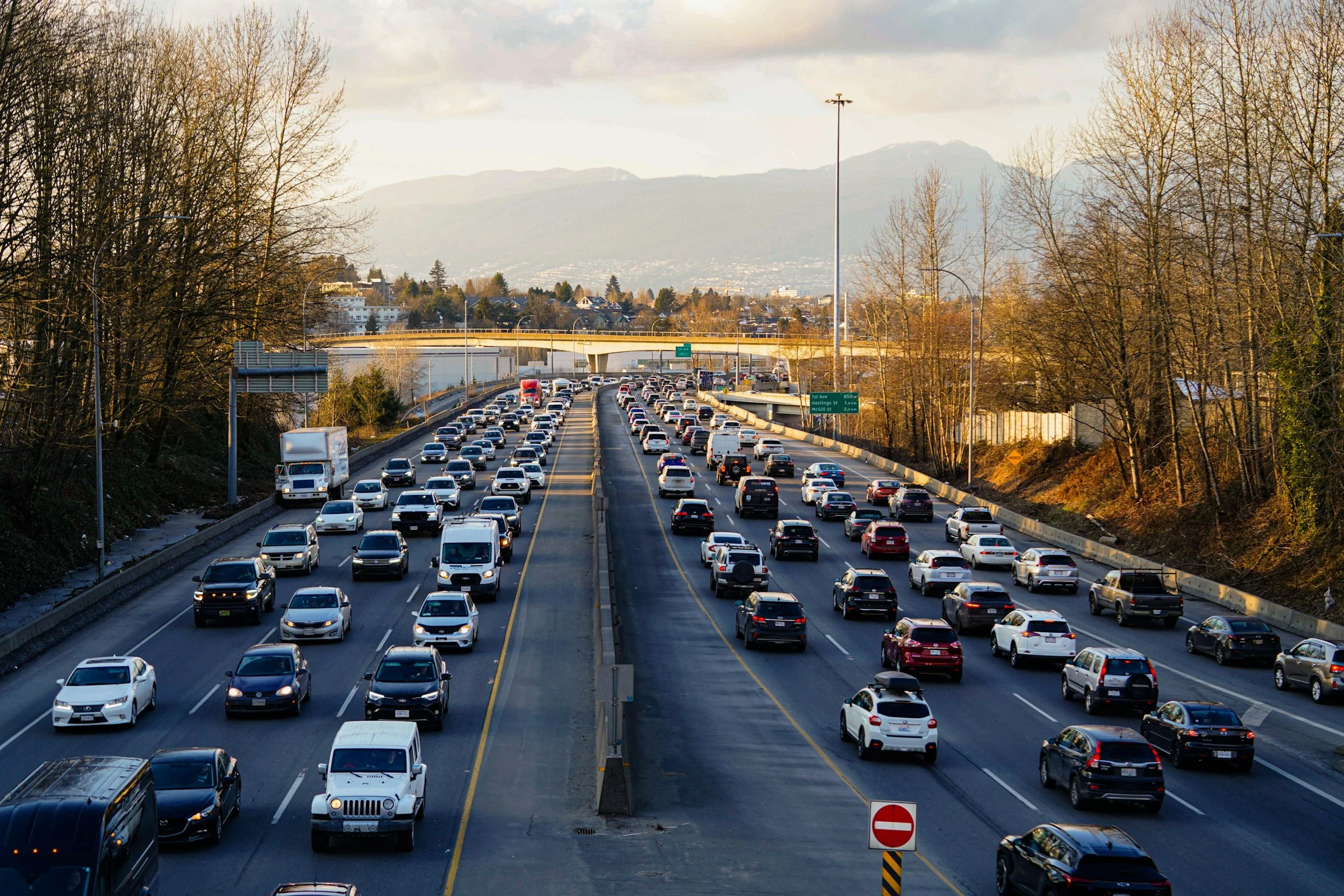
Sideswipe crashes happen when two vehicles traveling side by side make contact, usually because one driver drifts or changes lanes without enough room. They are common on I-81, the Cross Valley Expressway, Route 309 and other busy multi-lane roads. Many look minor at first, but a sideswipe can push a car into a guardrail, another lane or oncoming traffic, and the injuries can be serious.
Common causes of sideswipe and lane-change crashes
Unsafe lane changes. Moving over without checking mirrors and blind spots is the most common cause.
Failing to signal. Other drivers have no warning before a car moves into their lane.
Drifting out of the lane. Distracted, drowsy or impaired drivers often wander across the line.
Merging problems. Drivers entering a highway or a narrowing lane may force their way in.
Truck blind spots. Tractor-trailers have large blind spots on both sides, especially the right.
Weather. Snow, ice and faded lane markings make it harder to stay in a lane, but drivers must still adjust to conditions.
What Pennsylvania law requires
On roads with marked lanes, Pennsylvania's Vehicle Code requires drivers to stay as nearly as practical within a single lane. A driver may not move from that lane until they have first made sure the move can be made safely. Drivers must also signal before changing lanes. When a driver breaks these rules and causes a crash, that is strong evidence of fault.
Proving who drifted
Sideswipe cases often come down to "they came into my lane" versus "no, they came into mine." Evidence that helps settle it includes:
The location and pattern of damage on each vehicle
Paint transfer and scrape marks
Dashcam, traffic camera or nearby business video
Witness statements
Debris location and skid marks noted in the police crash report
Phone records, if distraction is suspected
Video is often erased within days or weeks, so it helps to act quickly.
Shared fault
Insurers often try to blame both drivers equally in sideswipe cases. Under Pennsylvania's modified comparative negligence rule, you can still recover as long as you are not more than 50% at fault, though your award is reduced by your share. Read more in our guide to comparative negligence in Pennsylvania.
If the other driver kept going
Some drivers who sideswipe another car do not stop. If that happens, call 911, write down anything you remember about the vehicle and get medical care. Your own uninsured motorist coverage may help. See what to do after a hit-and-run.
What to do after a sideswipe crash
Move to a safe spot if you can, and call 911.
Photograph both vehicles, the lane markings and the road.
Get witness names and phone numbers.
See a doctor, even if you feel fine.
Do not give a recorded statement to the other driver's insurer before talking to a lawyer.
Talk to Joyce, Carmody & Moran
If you were hurt in a sideswipe or lane-change crash in Pennsylvania, call Joyce, Carmody & Moran at 570-602-3560 for a free consultation. We will gather the evidence, deal with the insurance companies and tell you honestly what your case is worth.

Let’s Work Together
When you work with us, you can expect clear communication, thoughtful strategy, and a team that is fully invested in your goals. We take the time to understand your needs, tailor our approach, and stand with you through every step of the legal process. Let’s move forward — together.