

Uber, Lyft and Delivery Driver Accidents in Pennsylvania: Whose Insurance Pays?
Rules of Ridesharing
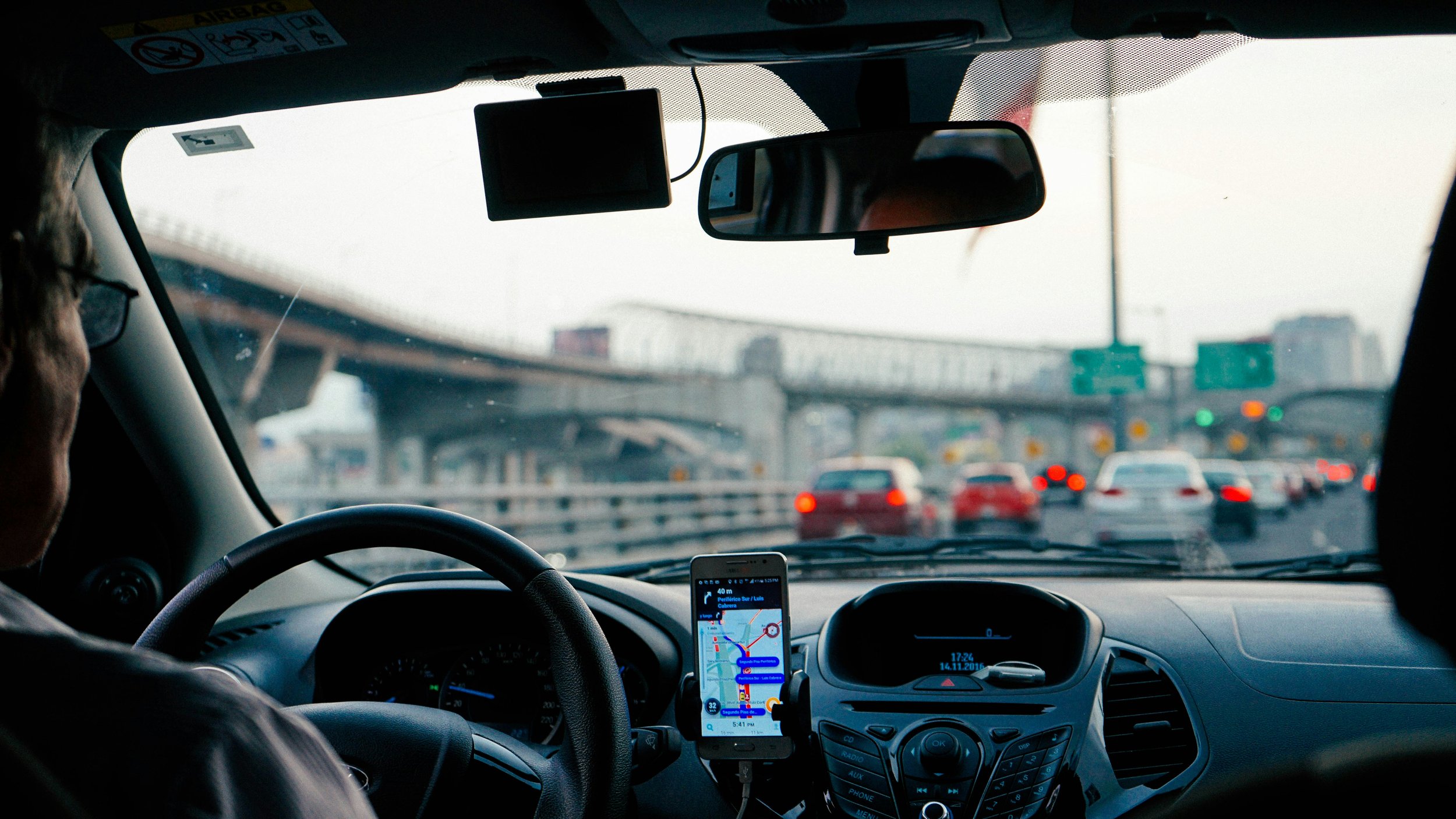
The app status decides almost everything
Pennsylvania regulates rideshare companies as 'transportation network companies,' and the law sets different minimum insurance depending on what the driver's app was doing at the moment of the crash. The same driver in the same car can have three completely different coverage pictures.
App off. The driver is off duty. Only their personal auto policy applies, which in Pennsylvania can be as little as $15,000 per person and $30,000 per accident.
App on, no ride accepted yet. Coverage of at least $50,000 per person, $100,000 per accident and $25,000 property damage, plus first-party medical benefits of $25,000 for pedestrians and $5,000 for the driver.
Ride accepted, through drop-off. At least $500,000 in primary liability coverage, plus first-party medical benefits of $25,000 for passengers and pedestrians and $5,000 for the driver.
The number most passengers do not know
That $25,000 in first-party medical benefits for passengers is five times the $5,000 that most Pennsylvania drivers carry on their own policy. If you were riding in an Uber or Lyft and were hurt, there is likely a much larger pool of no-fault medical coverage available to you than you would have in your own car — and it does not depend on proving anyone was at fault.
Uber and Lyft are not identical
Both companies carry more than the state minimum during active rides, generally $1 million in liability coverage. But there is one difference that can decide a case.
Uber carries $1 million in uninsured and underinsured motorist coverage. Lyft ended its UM/UIM coverage in April 2020, and Pennsylvania law does not require a rideshare company to carry it.
Why that matters: rideshare liability coverage responds when the rideshare driver caused the crash. If a different driver ran the light and that driver carries state-minimum limits, UM/UIM is what fills the gap. In a Lyft, that coverage has to come from somewhere else — your own policy, or a resident relative's policy. It is the strongest practical argument for carrying real UM/UIM limits and for stacking them.
Food and package delivery is a different question
DoorDash, Uber Eats, Grubhub, Instacart and Amazon delivery drivers are not covered by the rideshare statute. Coverage depends on the company's own commercial policy, the terms of the driver's contract, and whether the driver was actively on a delivery.
Amazon's last-mile deliveries in this region are largely run by independent delivery service partners rather than by Amazon directly. Those contractors are required to carry substantial commercial auto coverage, but identifying the correct entity — and whether Amazon itself has exposure — takes work that has to start early.
What to do at the scene and afterward
Pennsylvania law requires a rideshare driver to disclose whether they were logged into the app and to provide proof of the applicable coverage to anyone involved and to the responding officer. Ask, and write down what they say.
Screenshot everything on your own phone: the ride receipt, the driver's name and vehicle, the trip map, and the timestamps. The app data that establishes which period applied lives on the company's servers and is not something you can obtain casually later.
Also be aware that both companies' user agreements contain arbitration provisions that may affect how a claim proceeds. That is a reason to get advice before signing or agreeing to anything.
Talk it through with someone local. If you have questions about your own situation, the attorneys at Joyce, Carmody & Moran can review what happened and explain your options — no cost for the first conversation, and no obligation. We are based in Pittston and handle injury matters throughout Luzerne County.

Let’s Work Together
When you work with us, you can expect clear communication, thoughtful strategy, and a team that is fully invested in your goals. We take the time to understand your needs, tailor our approach, and stand with you through every step of the legal process. Let’s move forward — together.