

ATV, UTV and Dirt Bike Accidents in Pennsylvania: Who May Be Responsible
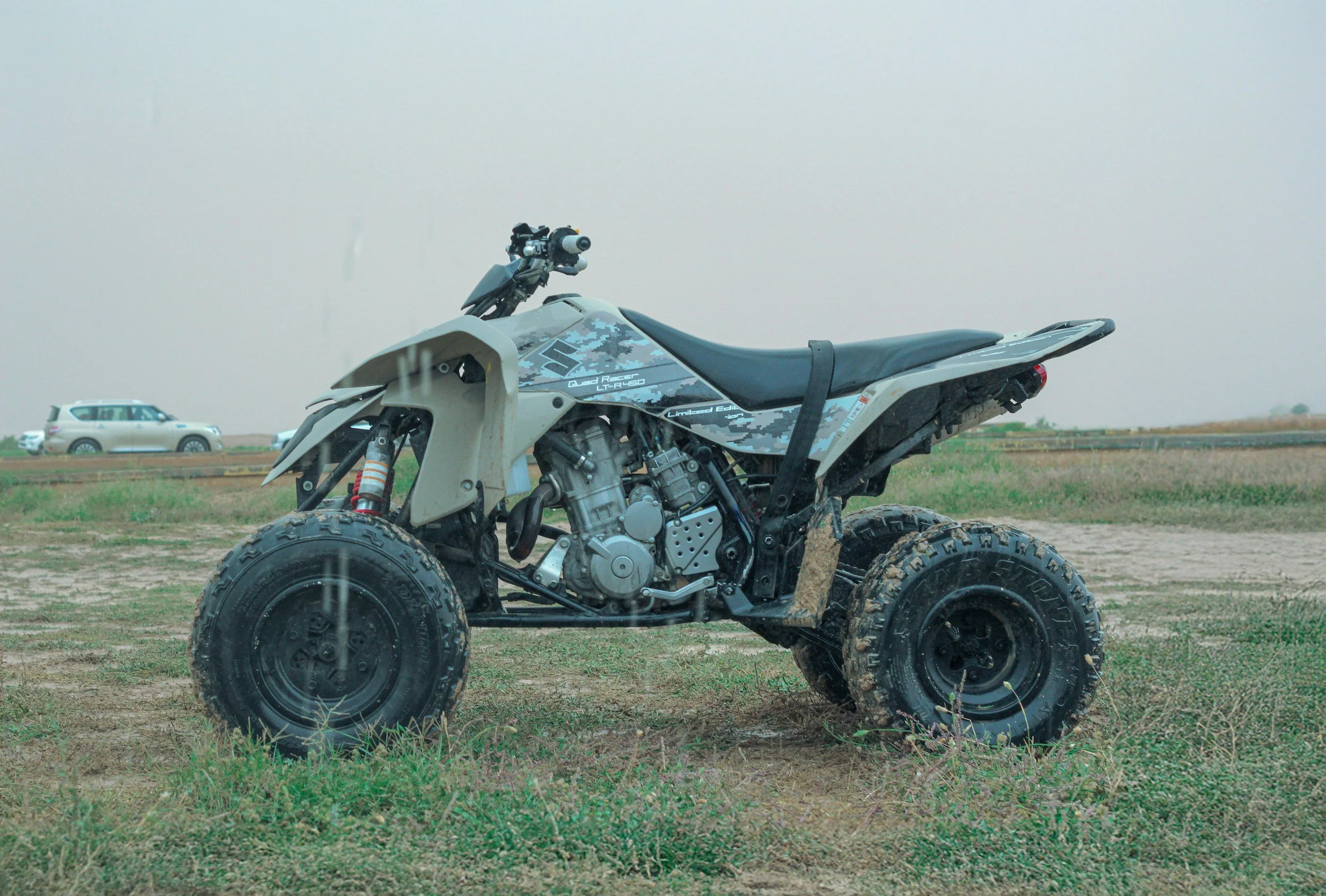
Off-road riding is part of life in Northeastern Pennsylvania. Families ride on their own land, friends head out on old mine roads and logging trails, and riders travel to permitted trail systems across the region. ATVs, side-by-sides (UTVs) and dirt bikes are a lot of fun, but they are heavy, fast and unforgiving, and crashes often cause serious injuries.
When an off-road crash happens because of someone else's carelessness, a dangerous machine or an unsafe property, the injured rider or passenger may have a claim. These cases have their own set of rules, starting with insurance.
Pennsylvania ATV rules at a glance
Registration. ATVs ridden off the owner's property need general registration with DCNR. A limited registration covers riding only on the owner's own land.
Insurance. Liability insurance is required for every ATV that must have general registration.
Helmets. Operators must wear a securely fastened helmet.
Young riders. Riders 8 to 15 generally need a safety training certificate to ride anywhere other than land owned by their parent or guardian, and 8- and 9-year-olds are limited to machines of 70cc or less.
Roads. ATVs generally can't be driven on public roads except where a road is specifically designated, to cross a highway, or in an emergency. Riders on a designated road must be at least 16.
Alcohol and drugs. Riding under the influence is illegal, just as it is in a car.
Common causes of serious ATV and UTV crashes
Rollovers on hills, uneven ground and loose surfaces.
Collisions with cars and trucks when ATVs cross or travel on roads.
Carrying passengers on machines designed for one rider.
Young or inexperienced riders on machines too big or powerful for them.
Hidden hazards like cables, gates, washouts and drop-offs on private land or trails.
Mechanical failures: throttles that stick, brakes that fail, rollover protection that collapses, or a vehicle that catches fire.
Who may be responsible
Another rider or driver whose careless or impaired operation caused the crash.
The owner who let someone ride, in some cases, such as handing a powerful machine to a child or someone who was drinking.
A driver on the road who struck an ATV at a crossing or designated route.
The manufacturer or seller of a defective ATV, UTV, helmet or part. Off-road vehicles have been the subject of many safety recalls. See Hurt by a Defective Product and Who Is Responsible for a Defective Product?
A rental company, guide or commercial park that failed to maintain equipment, train riders or warn about known hazards.
A landowner, in limited situations.
Riding on someone else's land
Pennsylvania's Recreational Use of Land and Water Act protects landowners who open their property to the public for free recreation. In many situations, that law limits a landowner's responsibility for injuries. The protection is not unlimited. It generally doesn't apply when the owner charged a fee to ride, or when the owner willfully or maliciously failed to guard or warn against a dangerous condition they knew about. Riding on a friend's or relative's land as an invited guest can raise different questions.
Insurance is often the hardest part
An ATV crash is not handled like a typical car accident. Your auto policy may not apply, and coverage can come from several places:
The ATV owner's liability policy.
A homeowner's policy, though many exclude off-road vehicles, especially away from the home.
A driver's auto policy, if a car or truck was involved.
Your own health insurance for medical bills.
Read the policy language before assuming there is or isn't coverage, and avoid giving recorded statements until you understand which policies are involved. See Dealing With the Insurance Company.
Does it matter if I wasn't wearing a helmet?
It can. An insurer may argue that a rider's own choices, such as not wearing a helmet, riding double or riding after drinking, contributed to the injury. Under Pennsylvania's comparative negligence rule, you can still recover if you were not more at fault than the other parties, but your recovery may be reduced. See "They Say It Was My Fault".
When a child is hurt
Children and teens are injured in off-road crashes every year, often as passengers or on adult-sized machines. A child's claim follows special rules, including court approval of any settlement. See When Your Child Is Hurt in an Accident.
What to do after an off-road crash
Get medical care right away. Off-road crashes often cause fractures, spinal injuries and head injuries. See Broken Bones After an Accident and Concussions and Traumatic Brain Injury.
Don't repair, sell or scrap the machine. If a defect is possible, the vehicle itself is the most important evidence.
Keep the helmet and any damaged gear.
Photograph the location, the terrain, any hazard and the machine. Mark the spot on a map or save GPS coordinates.
Write down who owned the ATV and the land, and who was riding.
Check for recalls on the make and model.
Helpful public resources
Talk it through with someone local. If you or a family member were hurt in an ATV, UTV or dirt bike crash, the attorneys at Joyce, Carmody & Moran can review what happened and explain your options. Request a free consultation.
Let’s Work Together
When you work with us, you can expect clear communication, thoughtful strategy, and a team that is fully invested in your goals. We take the time to understand your needs, tailor our approach, and stand with you through every step of the legal process. Let’s move forward — together.