

Broke a Bone in an Accident in Pennsylvania? What to Know About Your Claim
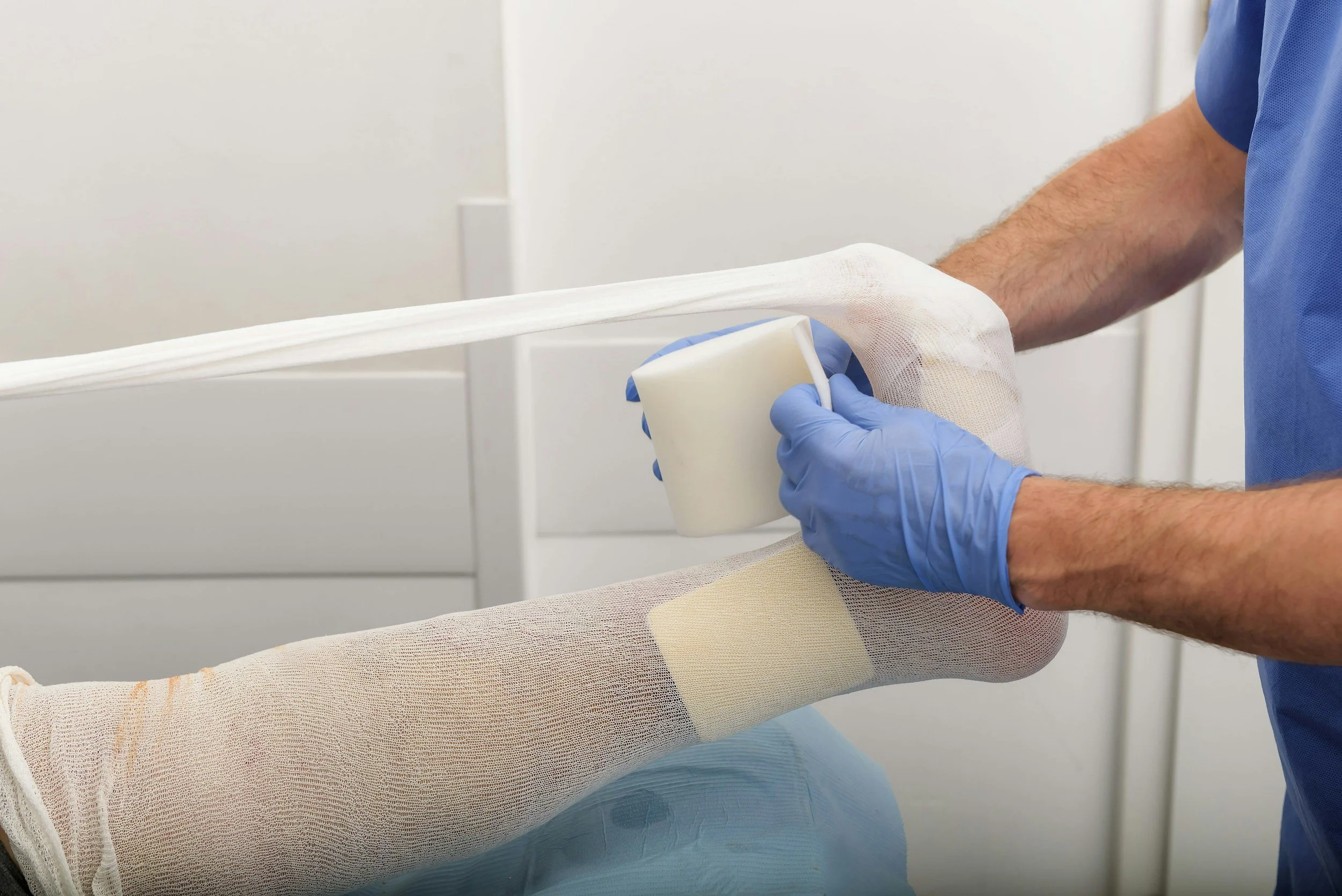
A broken bone changes everything for a while. Work, driving, caring for kids, even sleeping can become difficult, and some fractures take months to heal or never fully return to normal. If your fracture happened in a car crash, a fall or another accident someone else caused, the costs of that recovery may not be yours alone to carry.
This guide explains how fracture injuries are typically handled in a Pennsylvania injury claim, what affects their value and the mistakes that can make a straightforward claim harder than it needs to be.
Common fractures after accidents
Wrist and arm fractures, often from bracing against a steering wheel or catching yourself in a fall.
Hip and pelvic fractures, especially in older adults after a slip and fall. See Slip and Fall in a Pennsylvania Store.
Rib and collarbone fractures from seat belts, airbags and side impacts.
Leg, knee and ankle fractures, common for pedestrians, motorcyclists and drivers in frontal crashes. See Pedestrian and Bicycle Accidents.
Spinal compression fractures, which can be missed at first and show up as back pain days later. See Delayed Symptoms After a Car Accident.
Facial and skull fractures, which often come with a head injury. See Concussions and Traumatic Brain Injury.
Why fractures are taken seriously in a claim
Insurance companies often dispute soft tissue injuries because they don't show up on an X-ray. A fracture is different: it is documented by imaging, usually diagnosed the same day and easy for a jury to understand. That objective proof can make the injury itself harder to argue with.
But a documented fracture does not settle a claim on its own. The questions that usually drive value are:
How the bone was treated. A cast or splint is very different from surgery with plates, rods or screws (often called ORIF), or a fracture that needs a second surgery.
How long recovery takes. Weeks in a sling and months of physical therapy both count.
What doesn't come back. Reduced range of motion, chronic pain, post-traumatic arthritis or a limp can affect someone for decades.
Complications. Nonunion (a bone that won't heal), infection after surgery and hardware that must later be removed all add to the harm.
The effect on work and daily life. A broken wrist means something different for a nurse, a mechanic or a warehouse worker than for someone who works at a desk. See Lost Wages After an Accident.
Broken bones and limited tort
If you were hurt in a car accident and you chose limited tort on your auto policy, you generally can only recover pain and suffering if your injury qualifies as a "serious injury" under Pennsylvania law: death, serious impairment of a body function or permanent serious disfigurement. Some fractures clearly meet that standard, particularly ones that need surgery or leave lasting limits. Others, like a simple fracture that heals well in a few weeks, may be disputed. There are also several exceptions that restore full tort rights no matter what you chose. See Limited Tort vs. Full Tort in Pennsylvania.
Who pays the medical bills
After a car crash in Pennsylvania, your own auto policy's medical benefits are usually the first source of payment, regardless of who caused the accident, followed by health insurance. Fractures that need surgery can use up minimum coverage quickly. See Who Pays Your Medical Bills After a Car Accident? and Who Gets Paid Back Out of Your Settlement.
What can be included in a fracture claim
Past and future medical care, including surgery, follow-up imaging, physical therapy and possible hardware removal.
Lost wages, and reduced ability to earn in the future if you can't return to the same work.
Pain and suffering, loss of enjoyment of life and scarring. See How Pain and Suffering Is Valued.
Help at home you needed while you healed, such as childcare, transportation or household chores.
Mistakes that can weaken a fracture claim
Settling before you know how you'll heal. Some fractures look fine at six weeks and cause problems at six months. Once you sign a release, you generally can't reopen the claim. See Should You Accept the First Settlement Offer?
Skipping physical therapy or follow-up appointments. Gaps in treatment are one of the first things an adjuster points to.
Posting about your recovery. A single photo at a family event can be used to argue you weren't really hurt. See Social Media and Surveillance During a Claim.
Giving a recorded statement too early. See Talking to Insurance Adjusters.
What to do now
Follow your orthopedic care plan and keep every appointment.
Keep copies of imaging reports, surgical records and bills.
Take photos of casts, braces, surgical scars and any equipment you need at home.
Keep a short journal of pain levels, missed work and things you couldn't do.
Remember that most Pennsylvania injury claims must be filed within two years. See How Long Do You Have to File?
Talk it through with someone local. If you broke a bone in an accident someone else caused, the attorneys at Joyce, Carmody & Moran can review what happened and explain your options. Request a free consultation.
← Back to the Injury Help CenterA broken bone changes everything for a while. Work, driving, caring for kids, even sleeping can become difficult, and some fractures take months to heal or never fully return to normal. If your fracture happened in a car crash, a fall or another accident someone else caused, the costs of that recovery may not be yours alone to carry.
This guide explains how fracture injuries are typically handled in a Pennsylvania injury claim, what affects their value and the mistakes that can make a straightforward claim harder than it needs to be.
Common fractures after accidents
Wrist and arm fractures, often from bracing against a steering wheel or catching yourself in a fall.
Hip and pelvic fractures, especially in older adults after a slip and fall. See Slip and Fall in a Pennsylvania Store.
Rib and collarbone fractures from seat belts, airbags and side impacts.
Leg, knee and ankle fractures, common for pedestrians, motorcyclists and drivers in frontal crashes. See Pedestrian and Bicycle Accidents.
Spinal compression fractures, which can be missed at first and show up as back pain days later. See Delayed Symptoms After a Car Accident.
Facial and skull fractures, which often come with a head injury. See Concussions and Traumatic Brain Injury.
Why fractures are taken seriously in a claim
Insurance companies often dispute soft tissue injuries because they don't show up on an X-ray. A fracture is different: it is documented by imaging, usually diagnosed the same day and easy for a jury to understand. That objective proof can make the injury itself harder to argue with.
But a documented fracture does not settle a claim on its own. The questions that usually drive value are:
How the bone was treated. A cast or splint is very different from surgery with plates, rods or screws (often called ORIF), or a fracture that needs a second surgery.
How long recovery takes. Weeks in a sling and months of physical therapy both count.
What doesn't come back. Reduced range of motion, chronic pain, post-traumatic arthritis or a limp can affect someone for decades.
Complications. Nonunion (a bone that won't heal), infection after surgery and hardware that must later be removed all add to the harm.
The effect on work and daily life. A broken wrist means something different for a nurse, a mechanic or a warehouse worker than for someone who works at a desk. See Lost Wages After an Accident.
Broken bones and limited tort
If you were hurt in a car accident and you chose limited tort on your auto policy, you generally can only recover pain and suffering if your injury qualifies as a "serious injury" under Pennsylvania law: death, serious impairment of a body function or permanent serious disfigurement. Some fractures clearly meet that standard, particularly ones that need surgery or leave lasting limits. Others, like a simple fracture that heals well in a few weeks, may be disputed. There are also several exceptions that restore full tort rights no matter what you chose. See Limited Tort vs. Full Tort in Pennsylvania.
Who pays the medical bills
After a car crash in Pennsylvania, your own auto policy's medical benefits are usually the first source of payment, regardless of who caused the accident, followed by health insurance. Fractures that need surgery can use up minimum coverage quickly. See Who Pays Your Medical Bills After a Car Accident? and Who Gets Paid Back Out of Your Settlement.
What can be included in a fracture claim
Past and future medical care, including surgery, follow-up imaging, physical therapy and possible hardware removal.
Lost wages, and reduced ability to earn in the future if you can't return to the same work.
Pain and suffering, loss of enjoyment of life and scarring. See How Pain and Suffering Is Valued.
Help at home you needed while you healed, such as childcare, transportation or household chores.
Mistakes that can weaken a fracture claim
Settling before you know how you'll heal. Some fractures look fine at six weeks and cause problems at six months. Once you sign a release, you generally can't reopen the claim. See Should You Accept the First Settlement Offer?
Skipping physical therapy or follow-up appointments. Gaps in treatment are one of the first things an adjuster points to.
Posting about your recovery. A single photo at a family event can be used to argue you weren't really hurt. See Social Media and Surveillance During a Claim.
Giving a recorded statement too early. See Talking to Insurance Adjusters.
What to do now
Follow your orthopedic care plan and keep every appointment.
Keep copies of imaging reports, surgical records and bills.
Take photos of casts, braces, surgical scars and any equipment you need at home.
Keep a short journal of pain levels, missed work and things you couldn't do.
Remember that most Pennsylvania injury claims must be filed within two years. See How Long Do You Have to File?Talk it through with someone local. If you broke a bone in an accident someone else caused, the attorneys at Joyce, Carmody & Moran can review what happened and explain your options. Request a free consultation.
Talk it through with someone local. If you broke a bone in an accident someone else caused, the attorneys at Joyce, Carmody & Moran can review what happened and explain your options. Request a free consultation.
← Back to the Injury Help CenterA broken bone changes everything for a while. Work, driving, caring for kids, even sleeping can become difficult, and some fractures take months to heal or never fully return to normal. If your fracture happened in a car crash, a fall or another accident someone else caused, the costs of that recovery may not be yours alone to carry.
This guide explains how fracture injuries are typically handled in a Pennsylvania injury claim, what affects their value and the mistakes that can make a straightforward claim harder than it needs to be.
Common fractures after accidents
Wrist and arm fractures, often from bracing against a steering wheel or catching yourself in a fall.
Hip and pelvic fractures, especially in older adults after a slip and fall. See Slip and Fall in a Pennsylvania Store.
Rib and collarbone fractures from seat belts, airbags and side impacts.
Leg, knee and ankle fractures, common for pedestrians, motorcyclists and drivers in frontal crashes. See Pedestrian and Bicycle Accidents.
Spinal compression fractures, which can be missed at first and show up as back pain days later. See Delayed Symptoms After a Car Accident.
Facial and skull fractures, which often come with a head injury. See Concussions and Traumatic Brain Injury.
Why fractures are taken seriously in a claim
Insurance companies often dispute soft tissue injuries because they don't show up on an X-ray. A fracture is different: it is documented by imaging, usually diagnosed the same day and easy for a jury to understand. That objective proof can make the injury itself harder to argue with.
But a documented fracture does not settle a claim on its own. The questions that usually drive value are:
How the bone was treated. A cast or splint is very different from surgery with plates, rods or screws (often called ORIF), or a fracture that needs a second surgery.
How long recovery takes. Weeks in a sling and months of physical therapy both count.
What doesn't come back. Reduced range of motion, chronic pain, post-traumatic arthritis or a limp can affect someone for decades.
Complications. Nonunion (a bone that won't heal), infection after surgery and hardware that must later be removed all add to the harm.
The effect on work and daily life. A broken wrist means something different for a nurse, a mechanic or a warehouse worker than for someone who works at a desk. See Lost Wages After an Accident.
Broken bones and limited tort
If you were hurt in a car accident and you chose limited tort on your auto policy, you generally can only recover pain and suffering if your injury qualifies as a "serious injury" under Pennsylvania law: death, serious impairment of a body function or permanent serious disfigurement. Some fractures clearly meet that standard, particularly ones that need surgery or leave lasting limits. Others, like a simple fracture that heals well in a few weeks, may be disputed. There are also several exceptions that restore full tort rights no matter what you chose. See Limited Tort vs. Full Tort in Pennsylvania.
Who pays the medical bills
After a car crash in Pennsylvania, your own auto policy's medical benefits are usually the first source of payment, regardless of who caused the accident, followed by health insurance. Fractures that need surgery can use up minimum coverage quickly. See Who Pays Your Medical Bills After a Car Accident? and Who Gets Paid Back Out of Your Settlement.
What can be included in a fracture claim
Past and future medical care, including surgery, follow-up imaging, physical therapy and possible hardware removal.
Lost wages, and reduced ability to earn in the future if you can't return to the same work.
Pain and suffering, loss of enjoyment of life and scarring. See How Pain and Suffering Is Valued.
Help at home you needed while you healed, such as childcare, transportation or household chores.
Mistakes that can weaken a fracture claim
Settling before you know how you'll heal. Some fractures look fine at six weeks and cause problems at six months. Once you sign a release, you generally can't reopen the claim. See Should You Accept the First Settlement Offer?
Skipping physical therapy or follow-up appointments. Gaps in treatment are one of the first things an adjuster points to.
Posting about your recovery. A single photo at a family event can be used to argue you weren't really hurt. See Social Media and Surveillance During a Claim.
Giving a recorded statement too early. See Talking to Insurance Adjusters.
What to do now
Follow your orthopedic care plan and keep every appointment.
Keep copies of imaging reports, surgical records and bills.
Take photos of casts, braces, surgical scars and any equipment you need at home.
Keep a short journal of pain levels, missed work and things you couldn't do.
Remember that most Pennsylvania injury claims must be filed within two years. See How Long Do You Have to File?
Talk it through with someone local. If you broke a bone in an accident someone else caused, the attorneys at Joyce, Carmody & Moran can review what happened and explain your options. Request a free consultation.

Let’s Work Together
When you work with us, you can expect clear communication, thoughtful strategy, and a team that is fully invested in your goals. We take the time to understand your needs, tailor our approach, and stand with you through every step of the legal process. Let’s move forward — together.