

Hit While Riding a Bike in Pennsylvania? The Four-Foot Law and Your Rights
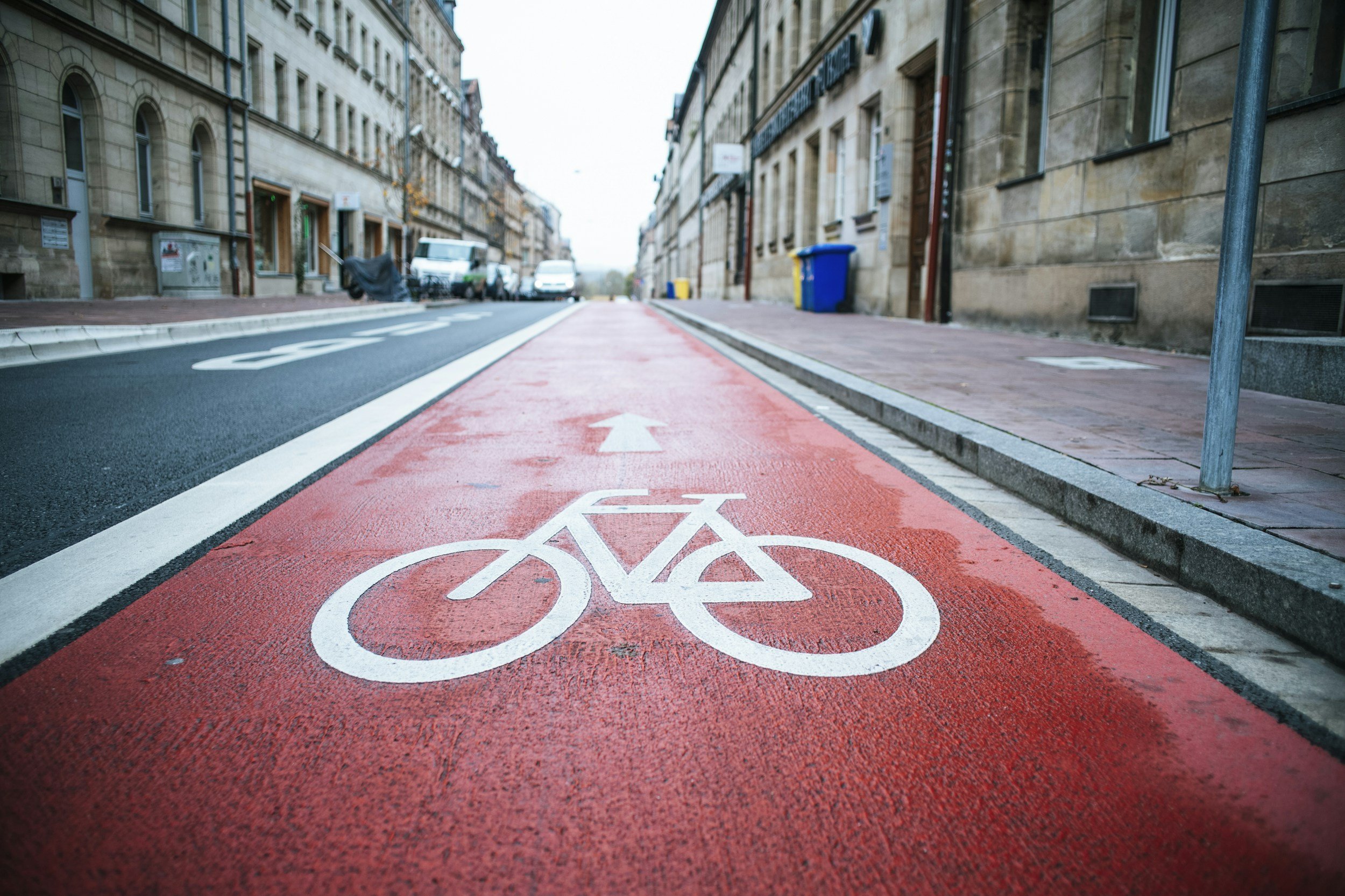
Pennsylvania treats a bicycle as a vehicle. Cyclists have the right to use the road, and drivers have specific duties when they share it with them. One of those duties is unusual: Pennsylvania requires drivers to give at least four feet when passing a bicycle, and it applies on every road in the state.
That rule matters well beyond the traffic ticket. When a cyclist is clipped by a passing car, whether the driver gave enough room is often the central question in the injury claim.
What the four-foot law says
Under Pennsylvania's Vehicle Code, a driver overtaking a bicycle must pass to the left at a distance of not less than four feet, at a careful and reduced speed. Practically, that means:
Slowing down and waiting behind the cyclist until there is room to pass safely.
Moving partly or fully into the next lane when needed, if it is safe and legal to do so.
Not squeezing by on a narrow road just because the cyclist is near the shoulder.
Other rules that often come up in bike crash claims
Lane position. Cyclists generally ride as close to the right as practicable, but they don't have to when passing, turning left, avoiding hazards like potholes, gravel or parked cars, or on roads with only one lane in each direction.
Dooring. Drivers and passengers may not open a car door into traffic unless it is reasonably safe to do so. A cyclist hit by an opening door may have a claim against the person who opened it.
Right hooks and left crosses. Drivers turning across a cyclist's path must yield, the same as they would to another vehicle going straight.
Lights at night. Bicycles ridden after dark need a white front light visible from at least 500 feet and a red rear reflector, plus side reflectors.
Sidewalks. Riding on sidewalks is generally allowed outside business districts, but cyclists must yield to pedestrians.
Helmets: what the law says and what it doesn't
Pennsylvania requires helmets for riders under 12. Adults are not required to wear one. Just as important, Pennsylvania law says that not wearing a helmet cannot be used as evidence of negligence in a civil case. Insurance adjusters sometimes raise it anyway. It is not a reason to accept less for a valid claim.
Who pays after a bike crash with a car
Many cyclists are surprised that car insurance can pay for a bike crash. If you own a car, your own auto policy's medical benefits usually apply first, even though you were on a bike. If you don't have a policy, a policy belonging to a relative you live with may apply. If neither applies, the insurance on the vehicle that hit you is generally next in line. Beyond those medical benefits, a claim against the driver at fault can cover lost wages, pain and suffering and other losses. See Who Pays Your Medical Bills After a Car Accident?
If the driver had no insurance or not enough, your own uninsured or underinsured motorist coverage may help. See Uninsured and Underinsured Drivers. If the driver left, see What to Do After a Hit and Run.
Crashes that don't involve a car
Not every serious bike injury involves another vehicle. Potholes, broken trail surfaces, uncovered drains and debris can all throw a rider. If a municipality or PennDOT is responsible for the road, special notice deadlines apply, often just six months. See Injured on Government Property. A broken frame, fork or brake may point to a product claim. See Hurt by a Defective Product.
Steps that protect a bike crash claim
Call 911 and ask for a police report, even if the driver wants to handle it privately.
Get the driver's name, insurance and plate, and the names of any witnesses.
Photograph the scene, the car, your bike, your gear and your injuries.
Keep the bike, helmet and clothing as they are. Don't repair or throw anything away.
Save ride data from a bike computer, GPS watch or app. It can show your speed and position.
Get checked by a doctor. Head, shoulder and wrist injuries are common and not always obvious at first. See Concussions and Traumatic Brain Injury and Broken Bones After an Accident.
Helpful public resources
Talk it through with someone local. If you were hit while riding, the attorneys at Joyce, Carmody & Moran can review what happened and explain your options. Request a free consultation.

Let’s Work Together
When you work with us, you can expect clear communication, thoughtful strategy, and a team that is fully invested in your goals. We take the time to understand your needs, tailor our approach, and stand with you through every step of the legal process. Let’s move forward — together.