

Hurt on a Bus in Northeastern Pennsylvania? Your Rights as a Passenger
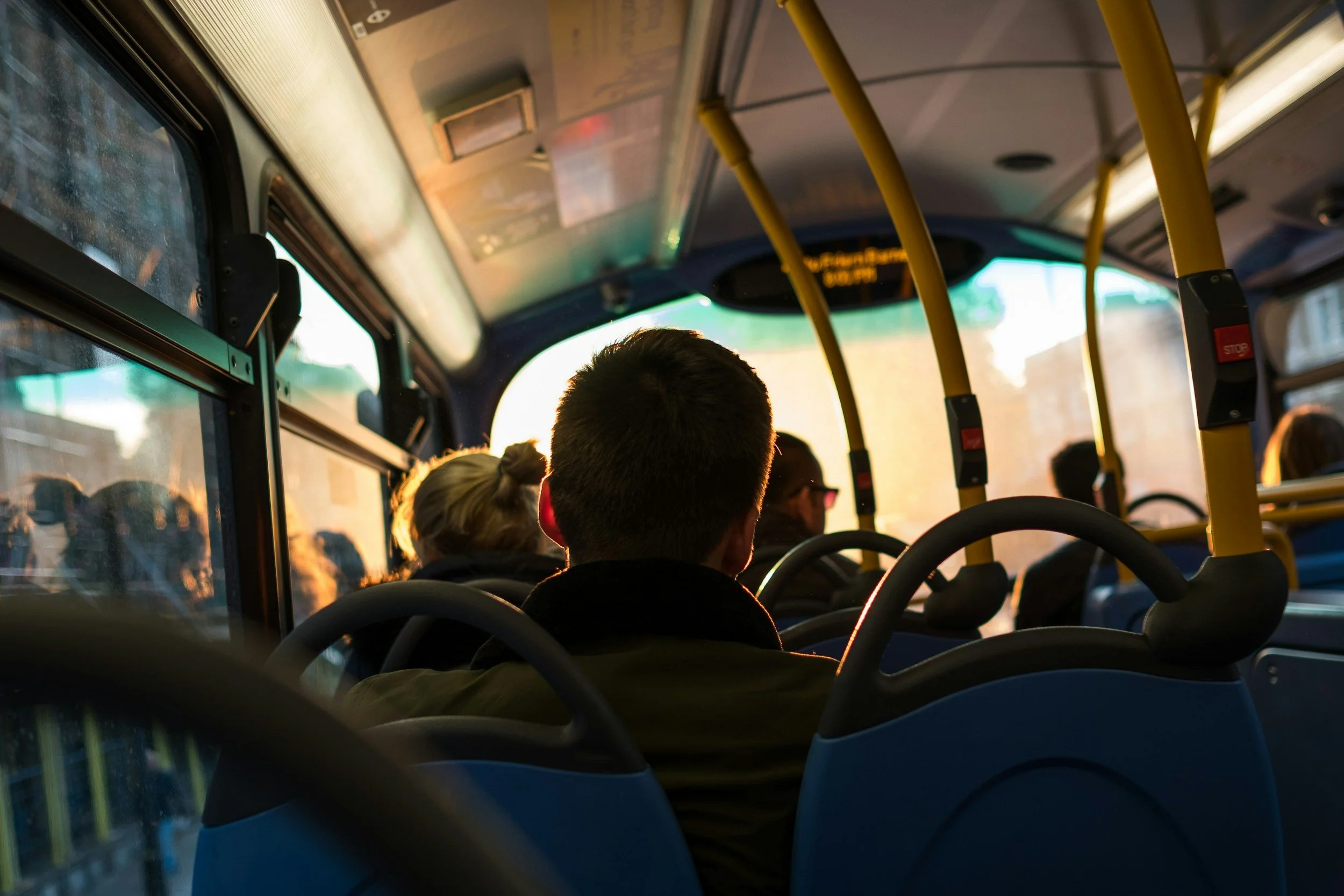
Thousands of people in Northeastern Pennsylvania ride a bus every day. Commuters and students take LCTA routes through Luzerne County and COLTS routes through Scranton and Lackawanna County. Children ride school buses on roads from the Back Mountain to the Abingtons, and coach and charter buses carry travelers up and down I-81 and I-80.
Bus injuries don't always involve a crash. Passengers are hurt when a bus brakes hard, pulls away before they sit down, or when they step off onto ice or a broken curb. Pennsylvania has specific rules that apply to bus passengers, and some of them work in your favor.
How people get hurt on and around buses
Collisions between a bus and another vehicle.
Sudden stops, sharp turns or a bus pulling away while passengers are still standing or walking to a seat.
Falls while boarding or getting off, including malfunctioning lifts, ramps and doors.
Pedestrians and cyclists struck by a bus, often while turning. See Pedestrian and Bicycle Accidents.
Drivers hit by a bus at an intersection or while the bus merges back into traffic.
Slips on snow and ice at bus shelters and stops. See Who Is Responsible for an Icy Sidewalk?
Bus companies owe passengers a high duty of care
Under Pennsylvania law, public transit systems, charter companies and other common carriers that transport the public owe their passengers a very high degree of care. A bus operator is expected to drive defensively, give passengers a reasonable chance to sit or hold on before moving, and make sure people can get on and off safely. That does not make every jolt a claim, but it is a higher standard than an ordinary driver owes.
Your tort option doesn't limit a bus claim
Many Pennsylvania drivers chose limited tort to save on their auto insurance. Normally, that restricts your ability to recover pain and suffering. But the law makes an exception for people injured while riding in a vehicle that isn't a private passenger car. A bus passenger generally keeps full tort rights, even if their own policy says limited tort. See Limited Tort vs. Full Tort in Pennsylvania.
Who pays your medical bills
Pennsylvania's auto medical benefits follow a set order. If you own a car, your own auto policy usually pays first, even if you were on a bus. If you live with a relative who has auto insurance, their policy may apply. If neither applies, the insurance on the bus itself is usually the next source. See Who Pays Your Medical Bills After a Car Accident?
Claims against public transit and school districts
LCTA and COLTS are public transit authorities, and many school buses are owned or contracted by public school districts. Pennsylvania allows injury claims against government agencies when the injury was caused by the negligent operation of a vehicle they control, but those claims come with special rules:
A six-month written notice is generally required before you can file suit. Missing it can end the claim.
Damages are capped. Depending on how the agency is classified, the cap is either $250,000 per person for Commonwealth agencies or $500,000 per incident for local agencies.
Pain and suffering may be restricted. In claims against local agencies, it is generally recoverable only for permanent injuries such as permanent loss of a bodily function or permanent disfigurement, and only when medical expenses exceed $1,500.
Many school districts hire private bus contractors. When that happens, the contractor may be the responsible party and the government limits may not apply. Identifying who actually owned and operated the bus is one of the first things to sort out. See Hit by a Government Vehicle.
Charter, coach and tour buses
Interstate bus companies are regulated by the Federal Motor Carrier Safety Administration, which sets rules for driver hours, drug and alcohol testing and vehicle maintenance. Those records can be important evidence, and some of them are only kept for a limited time. These cases can work much like truck cases. See Truck Accidents in Pennsylvania.
School bus injuries
Parents of a child hurt on or near a school bus should know that the child's own deadline to file is extended, but the six-month notice for a public school district still generally applies, and the parents' claim for medical bills runs on a shorter clock. See When Your Child Is Hurt in an Accident and our article on Pennsylvania's school bus stopping law.
What to do after a bus injury
Report the injury to the driver before you leave the bus, and ask that an incident report be made.
Write down the route number, bus number, direction, time and stop location.
Get names and phone numbers of other passengers who saw what happened.
Ask in writing that the transit agency or bus company preserve onboard video. Many buses record, and footage can be overwritten.
Get medical care, even if you only feel sore. See Delayed Symptoms After a Car Accident.
Be careful with recorded statements to the bus company's insurer. See Talking to Insurance Adjusters.
Helpful public resources
Talk it through with someone local. If you or your child were hurt on or by a bus, the attorneys at Joyce, Carmody & Moran can review what happened and explain your options, including any notice deadlines. Request a free consultation.

Let’s Work Together
When you work with us, you can expect clear communication, thoughtful strategy, and a team that is fully invested in your goals. We take the time to understand your needs, tailor our approach, and stand with you through every step of the legal process. Let’s move forward — together.