

Hit by Falling Merchandise in a Pennsylvania Store:
Shelves, Displays, Holiday Crowds and Who Is Responsible
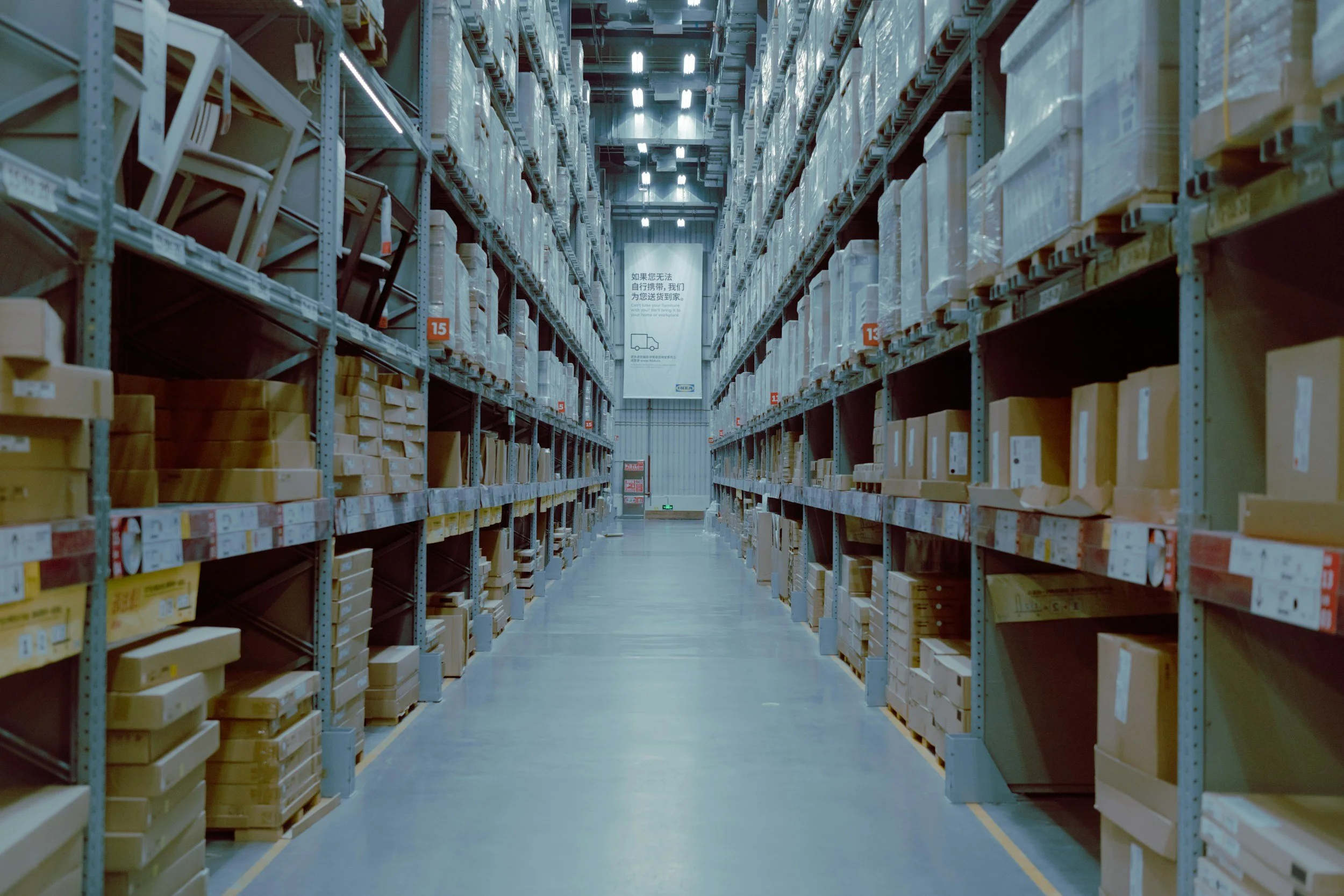
Big-box stores, home improvement warehouses and discount retailers stock merchandise high and tight — and between Black Friday and the end of the holiday season, they are packed with shoppers and fresh inventory. When a box, a display or a heavy item falls on a customer, the injuries can be serious: head and neck injuries, concussions, shoulder and back injuries, and broken bones. Here is how responsibility usually works in Pennsylvania.
What does a store owe its customers?
Under Pennsylvania law, shoppers are "business invitees," and stores owe them the highest duty of care that property owners owe to anyone who comes onto their premises. A store must regularly inspect its aisles and shelves, stack and secure merchandise safely, and fix or warn about dangers it knows about — or should have discovered with reasonable inspection.
Common falling-merchandise situations
Overstocked or unsecured top shelves; heavy items stored above head height without barriers; displays and end caps that tip or collapse; stock that shifts when a neighboring item is removed; and restocking with ladders, carts or pallet jacks in open aisles while customers are shopping. Video from store cameras often shows exactly how the item was stacked and how long the hazard existed.
Holiday crowds and doorbuster sales
Stores that advertise big sales know crowds are coming. Crushes at the door, people knocked down in a rush, and merchandise pulled off shelves in the chaos are foreseeable. A store that invites a crowd is expected to plan for it with staffing, crowd control and safe displays.
What if another shopper knocked it down?
The store may still be responsible. If merchandise was stacked in a way that made it easy to dislodge, or a display was unstable, the store can share responsibility with the person who touched it. Pennsylvania's comparative negligence rules allow fault to be divided among more than one party — and you can still recover even if you were partly at fault, as long as you were not more than 50% responsible.
Stores move fast to protect themselves
Large retailers often have incident procedures and insurance adjusters ready to go. Surveillance footage may be recorded over in a matter of days or weeks unless someone asks the store to preserve it. That is one of the biggest reasons to act quickly.
What should I do after I'm hurt in a store?
1. Report it to a manager right away and ask that an incident report be written. Ask for a copy, or at least the report number.
2. Photograph the item that fell, the shelf or display it came from, and your injuries.
3. Get the names and phone numbers of witnesses and the employees you spoke with.
4. Ask the store, in writing if possible, to preserve its video footage.
5. Get medical care, even if you feel okay — head and neck injuries are often delayed.
6. Don't sign anything or give a recorded statement to the store's insurer before getting advice.
For more guidance on injuries in stores and other businesses, visit our Injury Help Center and our free After-Accident Checklist.
Talk it through with someone local. If you were hurt while shopping, the attorneys at Joyce, Carmody & Moran can review what happened and explain your options — no cost for the first conversation, and no obligation. We are based in Pittston and handle injury matters throughout Luzerne and Lackawanna counties.
Let’s Work Together
When you work with us, you can expect clear communication, thoughtful strategy, and a team that is fully invested in your goals. We take the time to understand your needs, tailor our approach, and stand with you through every step of the legal process. Let’s move forward — together.