

Knee Injuries After a Car Accident in Pennsylvania: Torn Meniscus, ACL and Kneecap Injuries
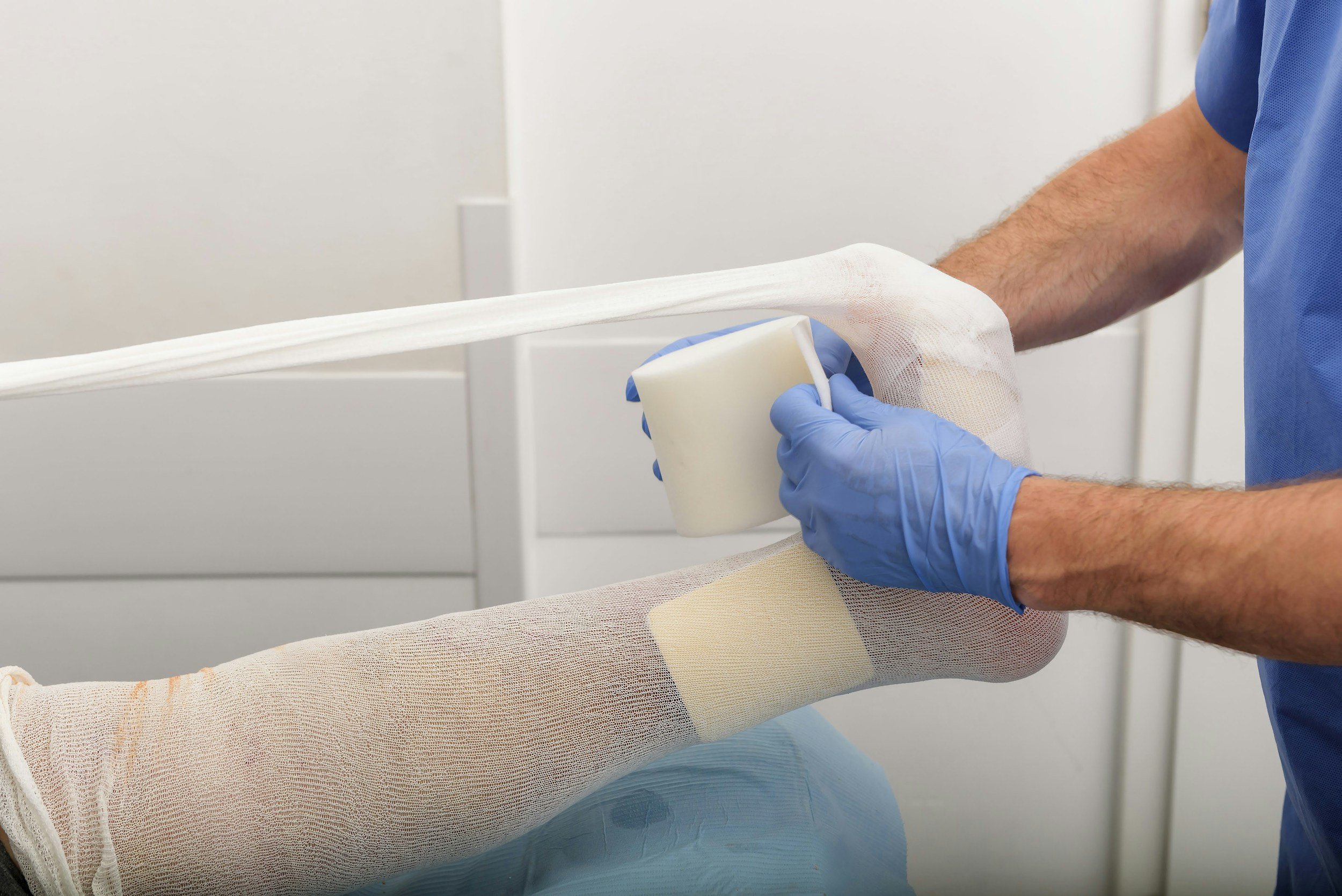
Knee injuries are some of the most common injuries in car accidents. In a frontal crash, the knees often slam into the dashboard. In a side impact, the door can strike the leg. Even bracing hard on the brake pedal can twist the knee in ways it was never meant to move. Some knee injuries heal in a few weeks. Others lead to surgery, months of therapy and pain that never fully goes away.
Common knee injuries from car accidents
Torn meniscus. The meniscus is cartilage that cushions the knee joint. A twisting force can tear it, causing pain, swelling, catching and locking.
ACL, PCL and MCL tears. These ligaments hold the knee stable. A "dashboard injury" often damages the PCL, the ligament at the back of the knee.
Kneecap (patella) fractures. A direct blow to the dashboard can crack or shatter the kneecap.
Dislocations. A severe impact can push the knee or kneecap out of place, sometimes damaging nerves and blood vessels.
Bone bruises and cartilage damage. These can cause lasting pain and lead to arthritis years later.
Symptoms to watch for
Knee pain is easy to brush off in the days after a crash, especially when other injuries hurt more. See a doctor if you notice:
Swelling that does not go down
Pain on stairs, kneeling or squatting
A knee that locks, catches or gives out
Trouble straightening or bending the leg
A popping feeling at the time of the crash
X-rays show broken bones but not torn cartilage or ligaments. An MRI is usually needed to find a meniscus or ligament tear. If your knee still hurts after a normal X-ray, ask your doctor about further testing. Our page on delayed symptoms after an accident explains why early documentation matters.
Why insurance companies fight knee claims
Adjusters often argue that a meniscus tear is "degenerative," meaning it came from age or wear and tear instead of the crash. Many adults have some knee wear that shows up on an MRI, and insurers use that to pay less.
Pennsylvania law does not let a careless driver off the hook because your knee was not perfect before the accident. If the crash caused a new injury or made an old one worse, you can recover for that harm. Your doctor's opinion, your treatment records and proof of what you could do before the crash all help. Read more about pre-existing conditions and your claim.
What a knee injury claim can include
Medical bills, including surgery, physical therapy and future care
Lost wages, especially for jobs that require standing, lifting or climbing
Pain and suffering
Loss of activities you enjoyed, like hunting, hiking, sports or playing with your kids
The risk of arthritis or a future knee replacement
Protect your knee injury claim
Tell your doctor about knee pain at your first visit, even if it seems minor.
Follow through with imaging, specialist referrals and physical therapy.
Avoid gaps in treatment.
Keep notes on what you can no longer do and how the injury affects work and home life.
Do not settle before you know whether you need surgery.
Talk to Joyce, Carmody & Moran
Knee injuries can change how you work, move and live. If you hurt your knee in a car accident anywhere in Pennsylvania, call Joyce, Carmody & Moran at 570-602-3560 for a free consultation. We will deal with the insurance company so you can focus on recovery.

Let’s Work Together
When you work with us, you can expect clear communication, thoughtful strategy, and a team that is fully invested in your goals. We take the time to understand your needs, tailor our approach, and stand with you through every step of the legal process. Let’s move forward — together.