

Pre-Existing Conditions and Your Pennsylvania Injury Claim
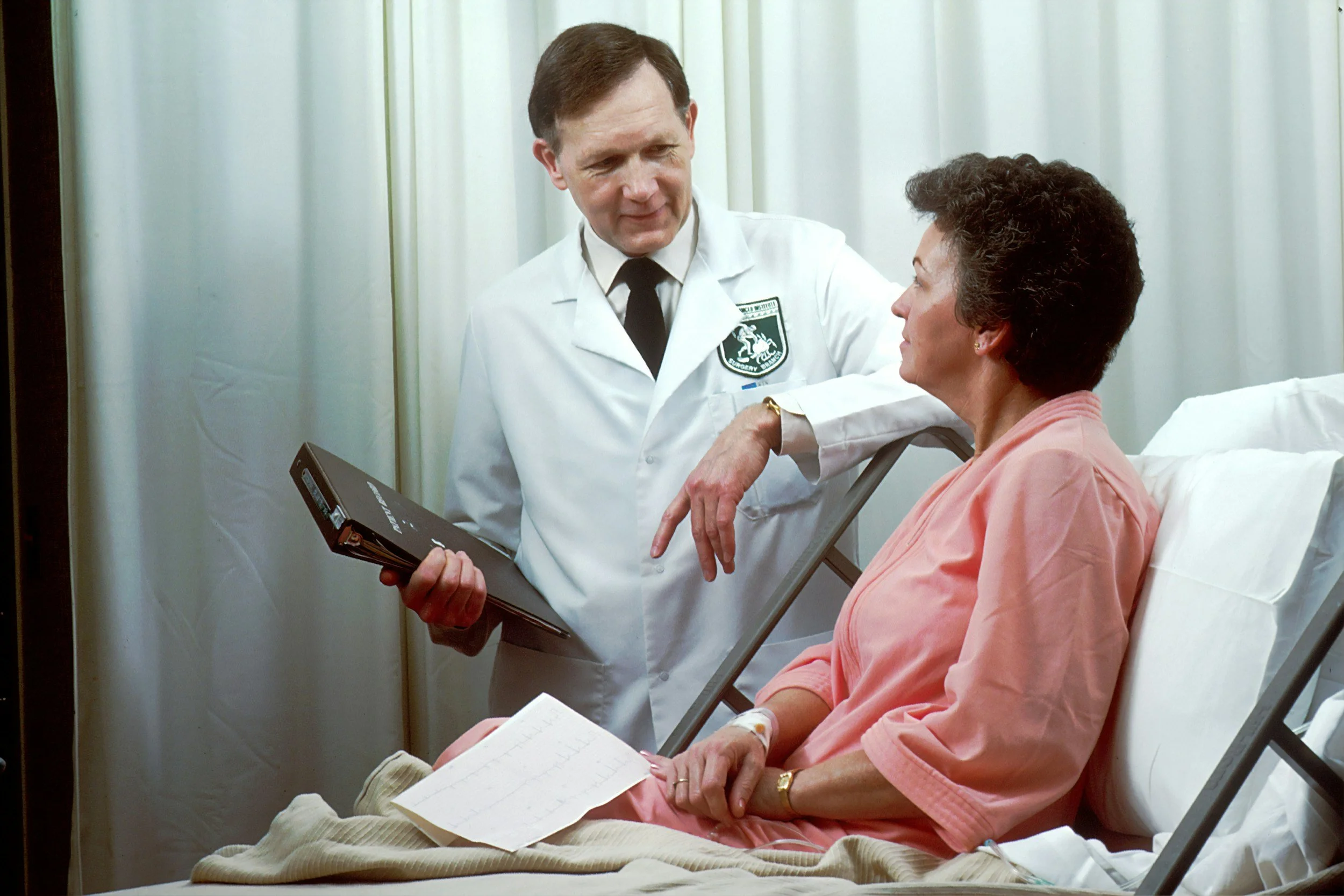
Bad back for years. An old knee injury. Arthritis in your neck. If you had a health problem before your accident, you may worry that it ruins your injury claim. It doesn't. Pre-existing conditions are common, and Pennsylvania law has a clear starting point for handling them.
"Take the injured person as you find them"
A long-standing principle in personal injury law is that the person who caused a crash is responsible for the harm they cause to the actual person they hurt, not to an imaginary perfectly healthy person. This is sometimes called the "eggshell plaintiff" rule. If an accident hurts you more because of an existing condition, the at-fault party generally can't avoid responsibility by arguing that a healthier person would have recovered faster.
Aggravation of a pre-existing condition
The legal question usually isn't whether you had a condition before. It's whether the accident made it worse. In Pennsylvania, you can seek compensation when an accident:
Turned a condition that wasn't causing symptoms into one that is painful or limiting
Made an existing condition worse, more frequent, or longer lasting
Sped up the need for treatment, like surgery or injections, that you might otherwise have needed later or not at all
What you generally can't recover for is the part of your condition that would have existed anyway. Sorting out that difference is often the center of the case.
Why insurance companies focus on your history
Expect the adjuster to look closely at your past medical records. A common argument is that your pain comes from "degeneration" or an old injury instead of the crash. This comes up often with neck and back injuries, because many adults have some disc changes on an MRI. See Herniated Disc Injuries and Whiplash, Neck and Back Injuries.
This is one reason to be careful with a broad medical records authorization from the other driver's insurer. It may give them access to years of unrelated history. See The Adjuster Sent a Medical Records Authorization — Should I Sign It?
Be honest about your history
The worst thing you can do is hide a prior injury. It will almost always show up in records, and it can damage your credibility more than the condition itself. Tell your doctors about your history, and describe clearly what has changed since the accident: what you could do before, and what you can't do now.
What helps show the difference
Before-and-after records. Older imaging, treatment notes, or long gaps without treatment can show how you were doing before the crash.
Your treating doctors. A doctor who knows your history can explain how the accident changed your condition.
Everyday evidence. Work records, activity you had to give up, and people who know you can describe the change. A simple journal of symptoms helps too.
Prompt treatment. Getting checked soon after the accident creates a clear record. See Delayed Symptoms After an Accident.
Older adults and pre-existing conditions
Older adults are more likely to have arthritis, prior surgeries, or bone density issues, and are more likely to be told their injuries are "just age." The same rules apply. If a fall or crash made things worse, that harm counts. See Broken Bones & Fractures and How Much Is a Slip and Fall Claim Worth?
How it affects the value of a claim
A pre-existing condition can make a claim more complicated, but it doesn't make it worthless. In some cases it increases the harm, because a vulnerable body takes longer to heal. See How Pain and Suffering Is Valued and Should You Accept the First Settlement Offer?
Worried your medical history will be used against you? The attorneys at Joyce, Carmody & Moran can talk through your situation and what to expect. Request a free consultation.

Let’s Work Together
When you work with us, you can expect clear communication, thoughtful strategy, and a team that is fully invested in your goals. We take the time to understand your needs, tailor our approach, and stand with you through every step of the legal process. Let’s move forward — together.