

Herniated Discs and Back Injuries After a Car Accident in Pennsylvania
Back and neck injuries are among the most common injuries after a car accident, and herniated discs are among the most serious of them. They can cause pain that lasts for months or years, keep people out of work, and sometimes lead to surgery. They are also one of the injuries insurance companies are most likely to push back on.
What a herniated disc is
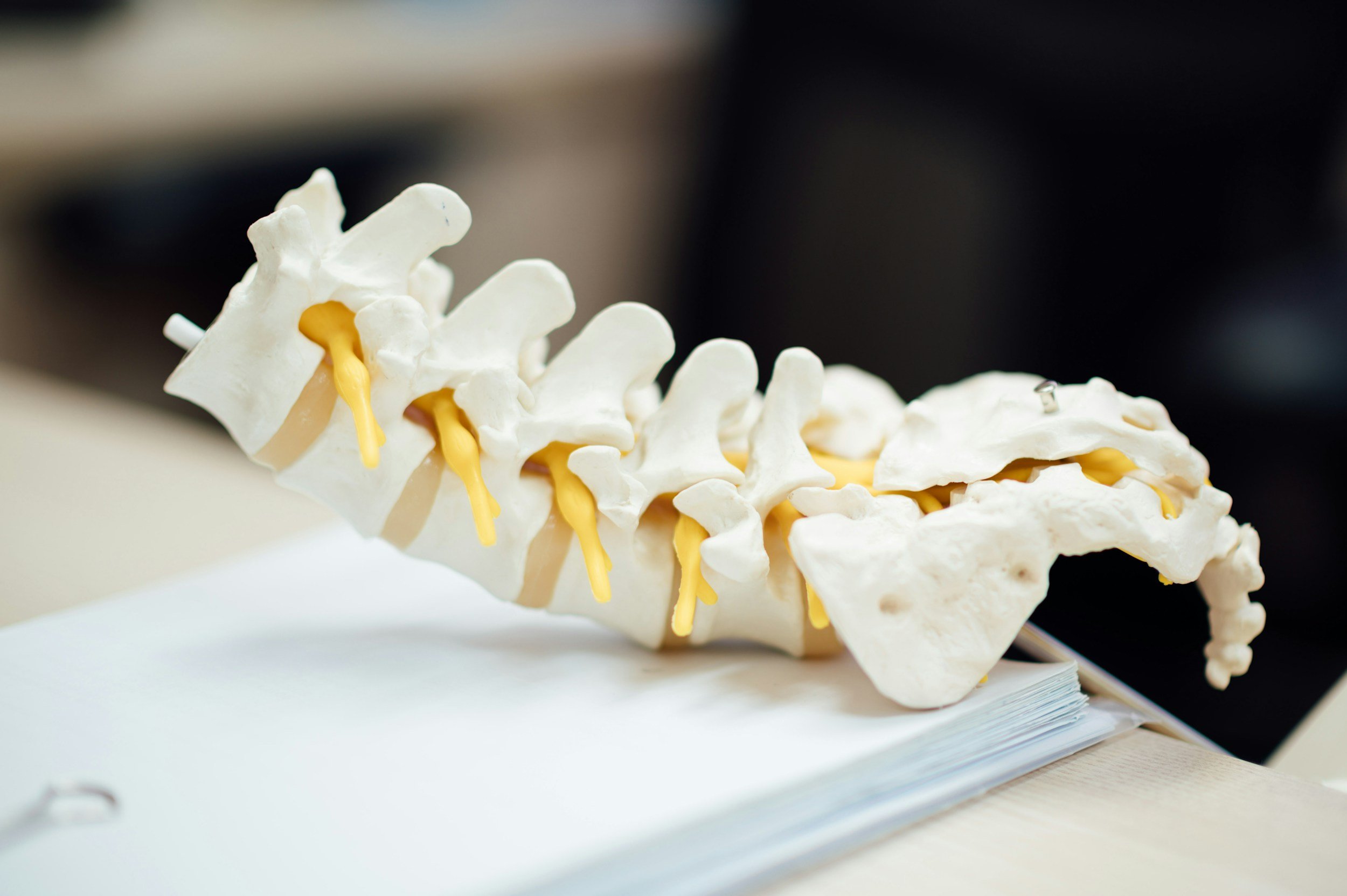
Between the bones of the spine are discs that act as cushions. Each has a tough outer layer and a softer center. A sudden force, like the jolt of a collision, can cause the center to push out through the outer layer. When that material presses on a nearby nerve, it can cause pain, numbness or weakness, often down an arm (from the neck) or a leg (from the lower back, sometimes called sciatica). You may also hear the terms bulging disc, ruptured disc or slipped disc.
Symptoms that are easy to dismiss
Neck or lower back pain that gets worse over days rather than better.
Pain, tingling or numbness that travels into the shoulder, arm, hand, buttock or leg.
Weakness, such as trouble gripping or a foot that drags.
Pain that gets worse with sitting, bending, coughing or sneezing.
Like whiplash, disc symptoms don't always show up at the scene. See Delayed Symptoms After an Accident. If you develop loss of bladder or bowel control or numbness in the groin area, that can be a medical emergency. Go to the ER.
How disc injuries are diagnosed
X-rays show bones, not discs, so a normal X-ray at the ER doesn't rule out a disc injury. An MRI is usually what shows a herniation and whether it is pressing on a nerve. Doctors may also use a nerve test called an EMG. Treatment often starts with physical therapy and medication, and can move to injections or surgery if symptoms don't improve.
"It was already there": the pre-existing condition argument
Most adults have some wear in their spine, and it often shows up on an MRI. Insurance companies frequently point to this to argue that the crash didn't cause the problem. Pennsylvania law doesn't let them off that easily. A careless driver is generally responsible for making an existing condition worse, even if a healthier person wouldn't have been hurt as badly. What matters is the difference between how you were before the crash and how you are after it.
That's why the record matters:
Tell every provider about all of your symptoms from the start, including ones that seem minor.
Be honest about any prior back or neck problems, and describe how this is different.
Follow the treatment plan and keep appointments. Gaps in treatment are often used against injured people.
Keep notes on what you can't do now, such as lifting your kids, sitting through a shift or sleeping through the night.
Disc injuries and limited tort
If you chose limited tort on your auto policy, you generally need a "serious injury" to recover for pain and suffering. A herniated disc can meet that standard when it seriously affects how your body functions, for example, when it limits your ability to work, move or carry out everyday activities over time. Whether it does depends on the medical evidence and how the injury affects your life. See Limited Tort vs. Full Tort in Pennsylvania.
What a claim can include
Medical treatment, including therapy, injections, surgery and future care. See Who Pays Your Medical Bills?
Lost wages and reduced ability to earn. See Lost Wages After an Accident.
Pain and suffering and loss of enjoyment of life. See How Pain and Suffering Is Valued.
Disc injuries often take time to show their full impact, especially when surgery is a possibility. Settling before you know whether you will need it can leave you paying for it yourself. See Should You Accept the First Settlement Offer? and keep the filing deadline in view with our Injury Deadline Calculator.
For related injuries, see Whiplash and Neck and Back Injuries.
Talk it through with someone local. If you're dealing with a back or neck injury after a crash, the attorneys at Joyce, Carmody & Moran can review your situation and explain your options. Request a free consultation.

Let’s Work Together
When you work with us, you can expect clear communication, thoughtful strategy, and a team that is fully invested in your goals. We take the time to understand your needs, tailor our approach, and stand with you through every step of the legal process. Let’s move forward — together.