

Who Pays to Fix My Car? Property Damage Claims After a Pennsylvania Accident
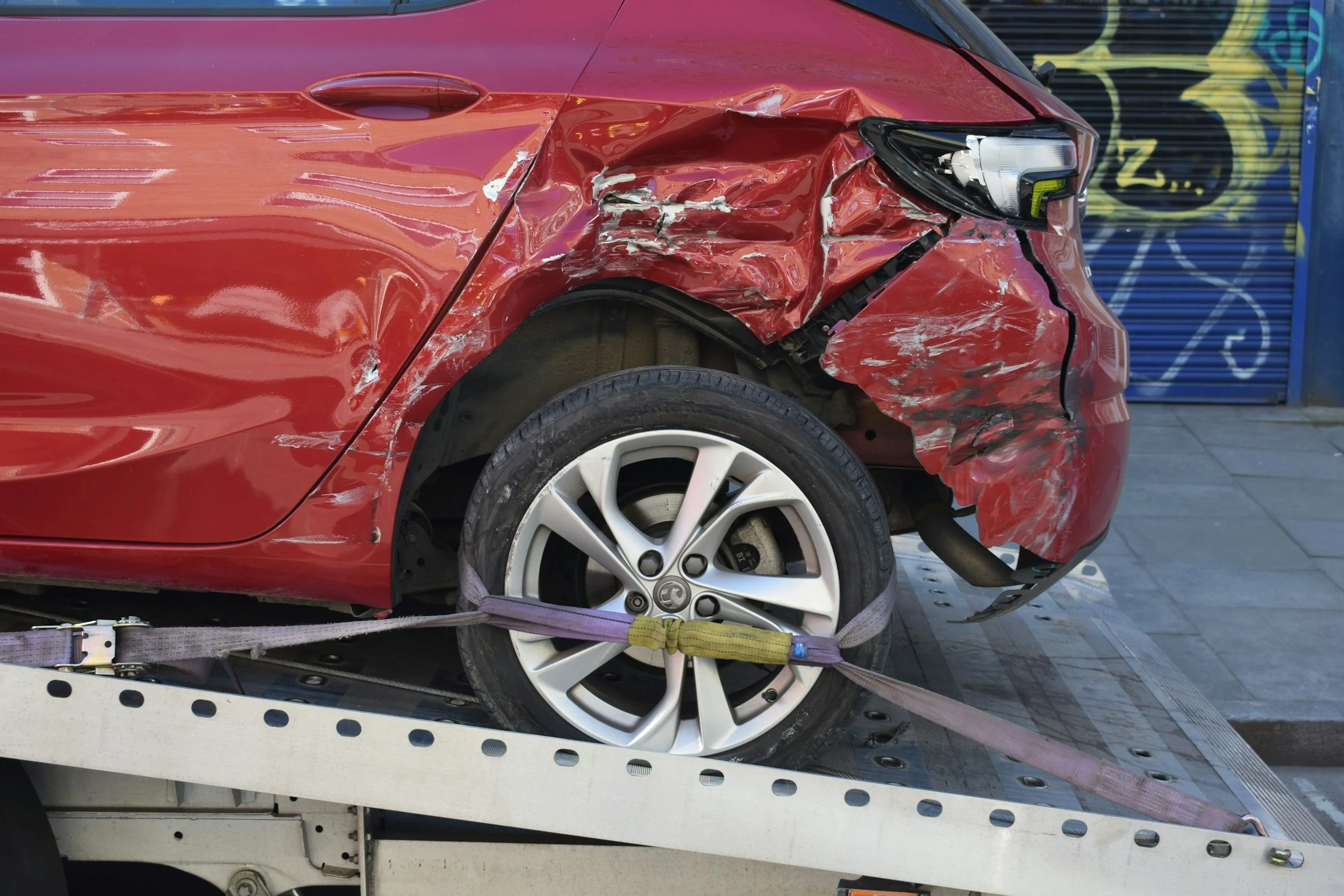
After a crash, your car is often the first problem you have to solve. How do you get it fixed, who pays, and what happens if the insurer says it's totaled? Here's how property damage claims usually work in Pennsylvania.
Two ways to get your car fixed
1. Through the at-fault driver's insurance. If another driver caused the crash, their property damage liability coverage should pay to repair or replace your vehicle. You don't pay a deductible this way, but the other insurer may take time to accept fault.
2. Through your own collision coverage. If you have collision coverage, your insurer can pay for repairs right away, minus your deductible, regardless of fault. Your insurer can then pursue the at-fault driver's insurer to get its money back, and you can ask that your deductible be included in that recovery.
If the other driver had no insurance or can't be found, collision coverage is often the main way to get your car repaired. See What to Do After a Hit-and-Run and Uninsured or Underinsured Drivers.
Choosing a repair shop
An insurer may recommend a "preferred" shop, but in Pennsylvania you generally have the right to choose where your car is repaired. Get a written estimate, keep copies of everything, and ask about the parts being used.
Rental cars and loss of use
If the other driver was at fault, their insurer is generally responsible for a reasonable rental car while yours is being repaired, or for the reasonable value of being without it. If you're going through your own insurer, rental coverage depends on whether you bought rental reimbursement on your policy. Keep track of rental receipts and the dates you were without a vehicle.
When the insurer says it's a total loss
A car is usually "totaled" when repairs would cost more than it's worth. In that case, the insurer should pay the vehicle's actual cash value, what it was worth right before the crash. You don't have to accept the first number. You can:
Ask for the valuation report and the comparable vehicles the insurer used
Check that the mileage, trim level, options, and condition are correct
Gather your own comparable listings from local dealers, along with maintenance and upgrade records
If you still owe money on the car, the payment generally goes to your lender first. If you owe more than the car is worth, gap coverage, if you have it, may cover the difference. If you're not getting answers, you can file a complaint with the Pennsylvania Insurance Department. See How Long Does an Insurance Company Have to Respond?
Diminished value
Even after quality repairs, a car with an accident history is often worth less when you sell or trade it in. Pennsylvania courts have long recognized this loss as recoverable from the at-fault driver in the right circumstances. A Lackawanna County court allowed a diminished value claim to go forward in 2019 when it was backed by a professional appraisal. These claims are more practical for newer or higher-value vehicles.
Your belongings
Items damaged in the crash, like a phone, laptop, child car seat, or tools, can be part of the property damage claim. Child car seats are often recommended to be replaced after a crash, even if they look fine.
Settling the car doesn't settle your injury claim
Property damage and injury claims are usually handled separately. Settling your car claim generally doesn't end your injury claim, but read anything you sign carefully. Make sure a release covers only property damage before you sign it. See Should You Accept the First Settlement Offer? and Talking to the Insurance Adjuster.
Practical tips
Photograph your car and the scene before anything is moved or repaired.
Get the police report. See How to Get Your Crash Report.
Keep a file of estimates, receipts, rental costs, and every message with the insurer.
Use our After-Accident Checklist to keep track.
Hurt in the crash too? The attorneys at Joyce, Carmody & Moran can help you understand both sides of your claim. Request a free consultation.
Let’s Work Together
When you work with us, you can expect clear communication, thoughtful strategy, and a team that is fully invested in your goals. We take the time to understand your needs, tailor our approach, and stand with you through every step of the legal process. Let’s move forward — together.