

Hurt Skiing or Snow Tubing in Pennsylvania? Know the Rules
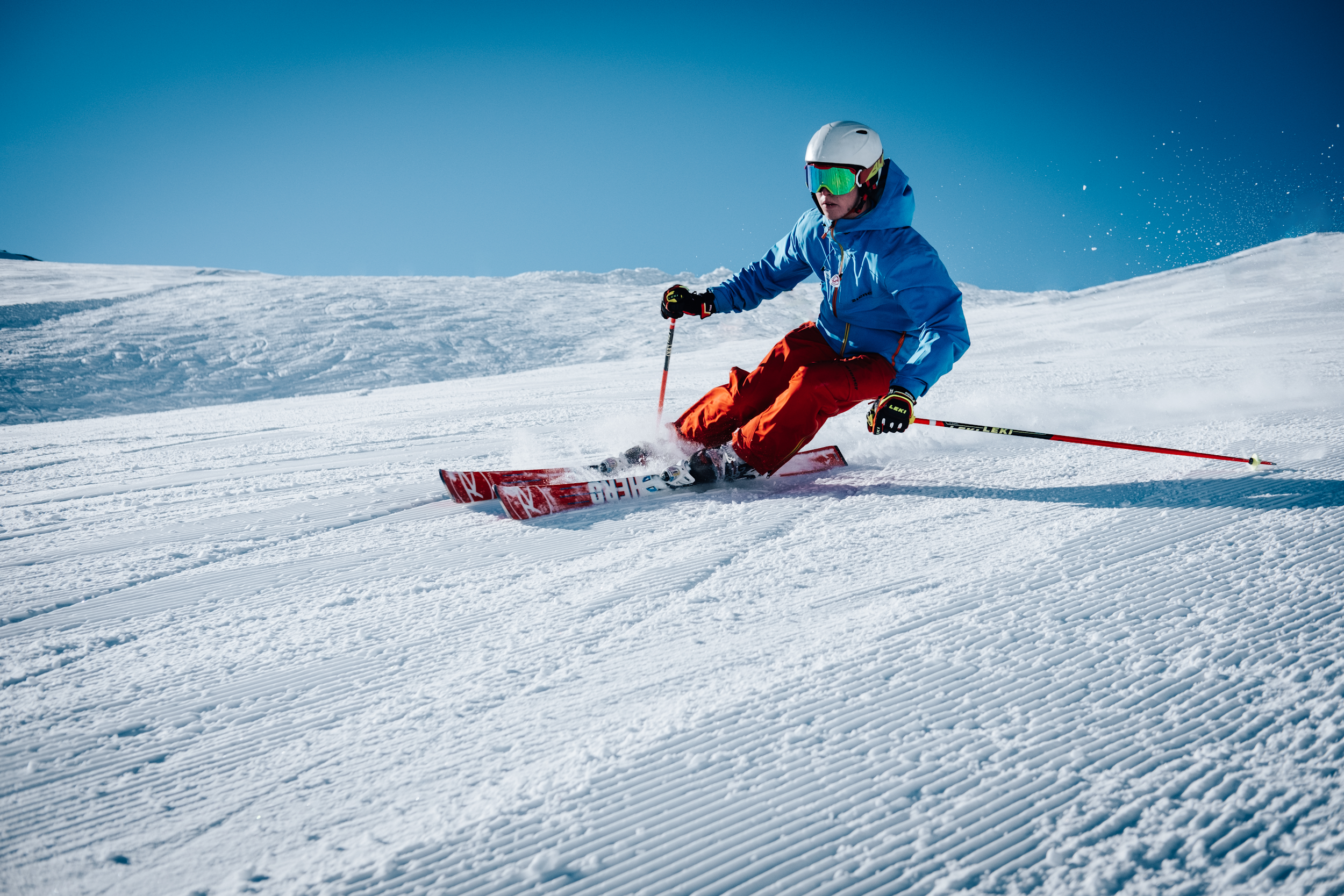
Ski season in Northeastern Pennsylvania and the Poconos brings thousands of skiers, snowboarders and snow tubers to the slopes every winter. Most days end with sore legs and nothing worse. But when someone is seriously hurt, they often learn that Pennsylvania law treats ski injuries very differently from a car crash or a fall in a store.
This guide explains the rules that apply, why many ski injury claims are hard to bring, and the situations where a claim may still be possible.
Pennsylvania's Skier's Responsibility Act
Pennsylvania's comparative negligence statute includes a special section for downhill skiing (42 Pa.C.S. § 7102(c)). It keeps the old "assumption of the risk" defense alive for skiing. In practice, courts read it as a no-duty rule: a ski area generally has no legal duty to protect skiers from risks that are inherent in the sport.
Courts describe inherent risks as those that are "common, frequent and expected." Over the years, Pennsylvania courts have placed these in that category:
Collisions with other skiers or snowboarders. In Hughes v. Seven Springs Farm (2000), the Pennsylvania Supreme Court held that a collision near the bottom of a trail was an inherent risk.
Ice, bare spots, variable snow and changing conditions.
Trees, lift towers, snowmaking equipment and other fixed objects on or near the trail.
Falls while boarding, riding or getting off a chairlift. In Mankowski v. Seven Springs (2017), the Superior Court held that falling from a lift was an inherent risk.
Losing control, including in terrain parks.
The waiver on your ticket or pass
Lift tickets, season passes, rental agreements and lesson sign-ups almost always include a release of liability. In Chepkevich v. Hidden Valley Resort (2010), the Pennsylvania Supreme Court enforced a ski area's release that covered the resort's own negligence. Releases are not unlimited, though, and how one is written and presented can matter.
When a claim may still be possible
Reckless conduct. A release cannot excuse recklessness. In Tayar v. Camelback Ski Corp. (2012), a snow tubing case from the Poconos, the Pennsylvania Supreme Court held that a release signed by a tuber did not bar claims that the resort's employees acted recklessly.
Snow tubing. Tubing runs are designed, groomed and controlled by the resort, and staff decide when to send riders down. Courts have not always treated tubing exactly like downhill skiing, so the facts matter.
Hazards that are not part of the sport. A ski area still has to address dangers that are not inherent to skiing. Whether a particular hazard qualifies is decided case by case.
Off-slope injuries. A fall on an icy walkway, stairway or parking lot, or an injury in a lodge, is generally a premises liability question, not a skiing one. See Slipped on Ice in a Parking Lot? and Slip and Fall on Ice or Snow.
Defective equipment. A binding, helmet or other product that fails because of a defect may support a claim against the manufacturer. See Hurt by a Defective Product?
Getting there and back. Crashes on snowy roads to and from the mountains are ordinary motor vehicle claims. See Who Is at Fault in a Snow or Ice Crash?
What to do if you are hurt on the mountain
Report the injury to ski patrol and ask that an incident report be made. Ask how to request a copy.
Take photos of the location, conditions, signs, equipment and anything that caused the injury.
Get names and phone numbers of witnesses, including other riders and staff.
Keep your ticket, pass, rental agreement and any receipts, and save a copy of anything you signed.
Keep damaged equipment exactly as it is. Do not repair or throw it away.
Get medical care promptly, especially for any blow to the head. See Concussions and Traumatic Brain Injuries.
Be cautious about giving recorded statements to the resort's insurer before you understand your situation.
Deadlines
Most Pennsylvania injury claims must be filed within two years. Claims involving government-owned recreation areas can have much shorter notice deadlines. See How Long Do You Have to File an Injury Claim?
Learn more
42 Pa.C.S. § 7102, Pennsylvania's comparative negligence statute
Penn State Law Review: Can a Skier Release a Ski Resort from Liability?
Talk it through with someone local. Ski injury claims are hard, and many are not viable. If you or a family member was seriously hurt skiing, snowboarding or snow tubing, the attorneys at Joyce, Carmody & Moran can review what happened and give you a straight answer about your options. Request a free consultation.

Let’s Work Together
When you work with us, you can expect clear communication, thoughtful strategy, and a team that is fully invested in your goals. We take the time to understand your needs, tailor our approach, and stand with you through every step of the legal process. Let’s move forward — together.