

A Car Hit My House or Property in Pennsylvania: Who Pays?
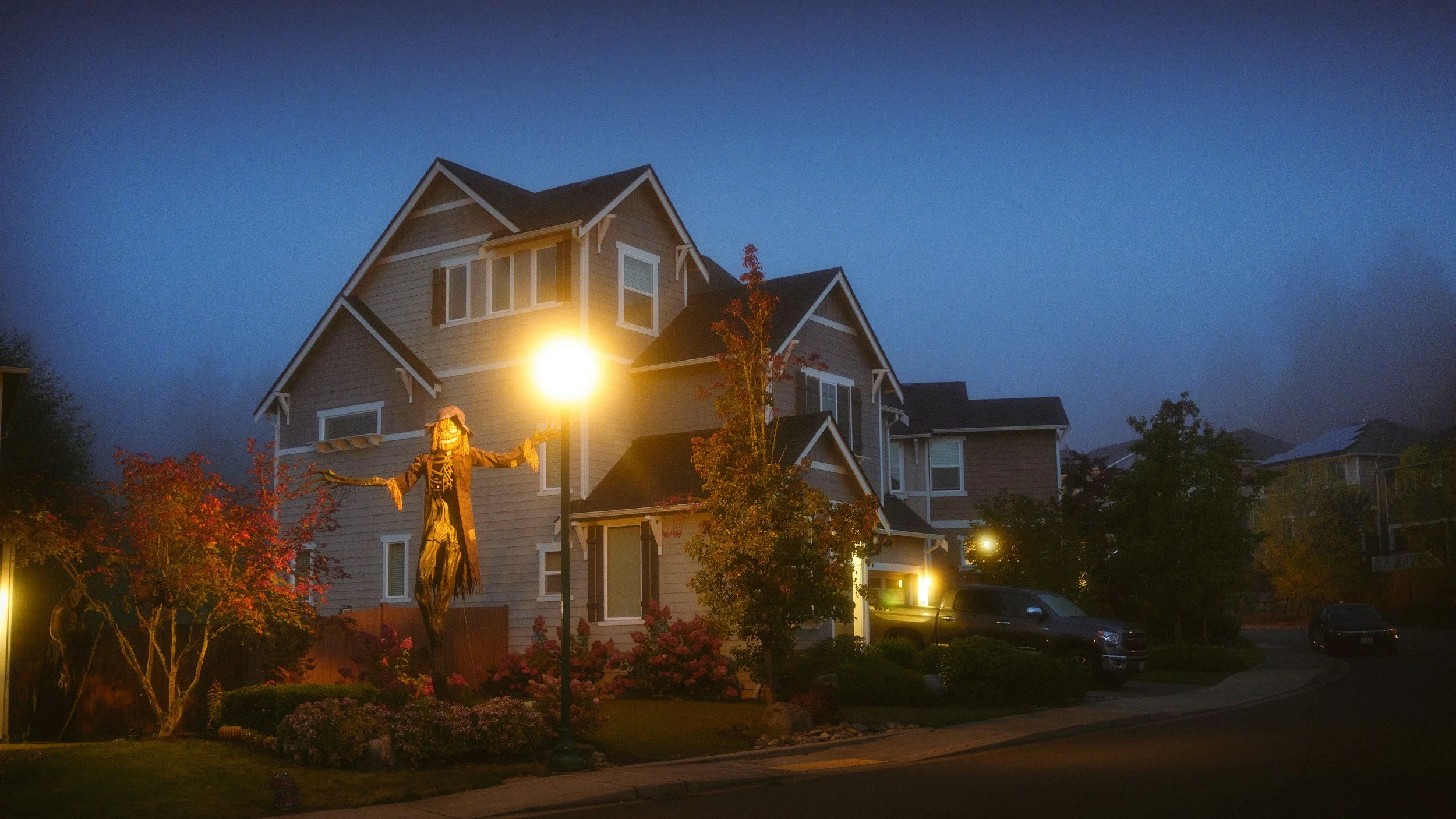
A car through a fence, a mailbox knocked flat, a porch or garage wall caved in: when a driver damages your home or property, the first questions are who pays and how fast. In Pennsylvania, the answer usually starts with the driver's auto insurance, but your own homeowners or renters policy can step in, and it's worth knowing which to call first.
Right after it happens
Make sure everyone is safe and call 911 if anyone is hurt or the structure may be unsafe. Call the gas or electric company if lines or meters were hit.
Call the police so there is a report, even if the driver is still there and apologizing. If the driver left, a report is essential. See hit-and-run in Pennsylvania.
Get the driver's information: name, phone, license, plate, the vehicle's owner and their insurance company and policy number.
Photograph everything before anything is cleaned up or repaired, including tire marks, debris and any home cameras that caught it. Save the video right away; many systems record over it in days.
Who pays: the driver's insurance
Damage a driver causes to your property is normally covered by the property damage liability part of their auto policy. You file a claim with their insurer and are generally entitled to the reasonable cost of repair, or the loss in value if repair isn't practical. That can include the structure, fences, landscaping, mailboxes, vehicles parked in your driveway, and personal property inside.
The catch: Pennsylvania only requires $5,000 in property damage coverage. If the driver carries the minimum, $5,000 may not come close to rebuilding a wall or porch.
Who pays: your homeowners or renters policy
Most homeowners policies cover damage to the house from a vehicle, subject to your deductible. Using your own coverage is often faster, especially when:
The driver's limits are too low to cover the damage
The driver was uninsured or drove off
The driver's insurer is slow to accept fault
Your insurer can then try to recover what it paid, and your deductible, from the driver's insurance. If you rent, the landlord's policy usually covers the building, and your renters policy covers your belongings.
If the driver was a government vehicle or a business
If a township truck, school bus, PennDOT plow or other government vehicle hit your property, Pennsylvania generally requires written notice within six months. See injured by a government vehicle. If the driver was working for a company, such as a delivery van, the company's commercial policy may apply. See hit by a delivery truck.
If someone was hurt
If you or a family member were injured, by the car itself or by debris, that is a separate injury claim with its own rules. Get medical care right away and keep the records. Most injury claims must be filed within two years; our Deadline Calculator shows how much time you have.
Deadlines for property damage
A lawsuit for damage to property in Pennsylvania generally must be filed within two years. Your own insurance policy may require much faster notice, so report it to your insurer promptly.
Getting paid fairly
Get your own written estimates from contractors you trust.
Keep receipts for emergency repairs, boarding up, and any hotel stay if the home isn't livable.
Don't sign a release until every repair is known, including hidden structural or foundation damage.
For vehicle damage specifically, see property damage claims.
Questions?
If the insurance company is lowballing the repair, denying the claim, or someone was hurt, the attorneys at Joyce, Carmody & Moran can explain your options at no cost. Request a free consultation or call 570-602-3560.
Let’s Work Together
When you work with us, you can expect clear communication, thoughtful strategy, and a team that is fully invested in your goals. We take the time to understand your needs, tailor our approach, and stand with you through every step of the legal process. Let’s move forward — together.